Visiting the Dominican Republic: Your Complete Guide for 2026
Thinking about visiting the Dominican Republic? Getting here is refreshingly straightforward. For most visitors, a valid passport and the mandatory digital E-Ticket are all you need to enter. It’s this easy access, combined with incredible year-round warmth and stunning scenery, that makes the DR one of the most appealing destinations in the Caribbean for a vacation or a property-scouting trip.
At Atlantique Sud, we've spent over 25 years helping people transition from visitors to residents, and it all starts with a well-planned first trip. This guide covers the practical steps to get you here, so you can focus on discovering what makes this country so special.
Your Pre-Travel Checklist for a Smooth Arrival
Before you pack your bags, a little prep work ensures your journey to the Dominican Republic is completely seamless. It really boils down to a few simple entry requirements that every international traveler needs to follow. The process is designed to be quick, and getting it sorted beforehand means you can step off the plane and dive right into your adventure.
The Mandatory Dominican E-Ticket
Your single most important task before you fly is to fill out the Dominican Republic E-Ticket. This required digital form cleverly bundles your Immigration, Customs, and Public Health declarations into one. It’s completely free, and you need to complete one for your arrival and another for your departure.
We always advise our clients to fill out the E-Ticket a few days before their flight. Once submitted, you’ll get a QR code. Screenshot it and save it on your phone—it’s your key to breezing through the airport when you land.
This quick graphic breaks down the three main steps for a hassle-free arrival.

As you can see, it’s a streamlined process designed to get you out of the airport and onto the beach as fast as possible.
Visa and Airport Information
Good news for many travelers: if you're from the United States, Canada, the UK, or the European Union, a visa is not required for tourist trips up to 30 days. To double-check the rules for your specific country, you can find all the details in our comprehensive guide on Dominican Republic travel requirements.
While many fly into major hubs like Punta Cana (PUJ) or Santo Domingo (SDQ), if your destination is the Samaná Peninsula, you should look for flights into El Catey International Airport (AZS). It’s perfectly located just a 30-minute drive from Las Terrenas, making it the best gateway to explore stunning beaches like Playa Bonita and Cosón.
To make your trip even smoother, it's always a good idea to learn how to book international flights cheap. Getting logistics sorted early means you can focus on the exciting parts of your visit from the moment you touch down.
A quick look at the key airports and the regions they serve.
| Airport (Code) | Primary Region Served | Best For Travelers Seeking |
|---|---|---|
| Punta Cana (PUJ) | East Coast | All-inclusive resorts, major tourist attractions, and package holidays. |
| Santo Domingo (SDQ) | South Coast / Capital | Business, exploring the historic Colonial Zone, and cultural immersion. |
| El Catey, Samaná (AZS) | Samaná Peninsula | Direct access to Las Terrenas, pristine beaches, and eco-tourism. |
| Puerto Plata (POP) | North Coast | Kitesurfing, water sports, and exploring the "Amber Coast." |
| Santiago (STI) | Cibao Valley (Central) | Inland exploration, business in the country's second-largest city. |
Choosing the right airport can save you hours of travel time on the ground, so it's worth taking a moment to plan your route based on your final destination.
Choosing the Best Time to Visit

Timing your visit to the Dominican Republic can completely change your experience, whether you're here for a laid-back vacation or a serious property-scouting mission. The island has a distinct rhythm, and each season offers its own unique character. Knowing this cycle helps you pick the perfect window for your trip.
While the country is blessed with warm, beach-perfect weather all year, the year generally falls into three main periods.
High Season: December to April
The high season, from mid-December through April, is the classic Caribbean escape. During these months, the weather is at its best—endless sunny days, lower humidity, and ideal temperatures.
It's no secret this is the busiest time. Visitors from North America and Europe flock here to trade winter cold for warm sand, creating a vibrant, buzzing atmosphere in towns like Las Terrenas. If guaranteed sunshine and a lively social scene are your priorities, this is your time.
Shoulder Seasons: May-June & November
The shoulder seasons—May to June and again in November—are a fantastic, often overlooked, time to visit. For the most part, the perfect weather of the high season remains, but the crowds have thinned out significantly.
This creates a real sweet spot. You get to enjoy stunning beaches like Playa Bonita and Cosón with far more space to yourself, and you'll often find better deals on flights and accommodations. For exploring real estate, this period offers a relaxed environment to view properties and get a feel for the local community's authentic pace.
Many of our long-term clients first discovered Las Terrenas on a shoulder season trip. They came for the value and quiet, and they stayed for the incredible lifestyle they realized was possible all year.
Low Season: July to October
The period from July to October aligns with the official Atlantic hurricane season. While that might sound intimidating, the reality on the ground is often misunderstood. This season brings higher humidity and more frequent, though usually brief, rain showers that quickly give way to more sun.
Direct hits from major hurricanes are statistically rare, though travel insurance is always a smart move. The real upside of this season is the value; it’s easily the most affordable time to visit. For budget-conscious travelers or investors on a scouting mission, this period can be a brilliant strategic move.
If you want to understand what the season really means for residents and property owners, you can learn more about the hurricane season in the Dominican Republic in our complete guide.
Discovering the Dominican Republic Beyond the Resorts

Many people know the Dominican Republic for its sprawling all-inclusive resorts. But the true soul of this country—the magic that inspires people to return—lives just beyond those gates. Each region has its own story, its own pace of life, and a completely different take on natural beauty. To really get it, you have to explore.
This diversity is a huge reason for the island's incredible popularity. The United States, in particular, has become the DR's number one tourism market. Through October 2025 alone, more than 3.7 million air travelers arrived from the U.S., which makes up a staggering 52% of all international visitors. You can read more about these record-breaking tourism numbers and what they signal for the future.
Santo Domingo: A Walk Through History
A journey into the real Dominican Republic should start in Santo Domingo, the oldest city in the Americas. Stepping into the Zona Colonial is like stepping back in time. It’s a UNESCO World Heritage site where history is alive on every cobblestone street as you wander through centuries-old cathedrals and fortresses.
But it's not just a historical relic. The area is a buzzing cultural hub with charming plazas, art galleries, and a culinary scene from traditional Dominican comedores to chic rooftop bars. Spending a day or two here provides a grounding in the nation's rich heritage.
Cabarete: The Hub of Adventure
If your perfect day involves a board and an ocean breeze, head straight for Cabarete on the north coast. This high-energy town has a global reputation as a mecca for kitesurfing and windsurfing, thanks to its perfect bay and consistent winds. The vibe here is young, international, and focused on a shared love for watersports.
The entire beachfront is a colorful lineup of surf schools, casual restaurants, and lively bars. It’s a world away from the resort towns, built around adventure and an active, laid-back lifestyle.
While areas like Santo Domingo and Cabarete showcase the country's historical and adventurous sides, we believe the Samaná Peninsula offers a unique blend of authenticity, natural splendor, and sophisticated international living that is truly special.
The Samaná Peninsula: An Authentic Escape
For us, the heart of the authentic Dominican experience is right here on the Samaná Peninsula. This region, home to Las Terrenas, is different from any other part of the country. It’s where raw, untouched nature meets a distinctively European-infused Caribbean culture.
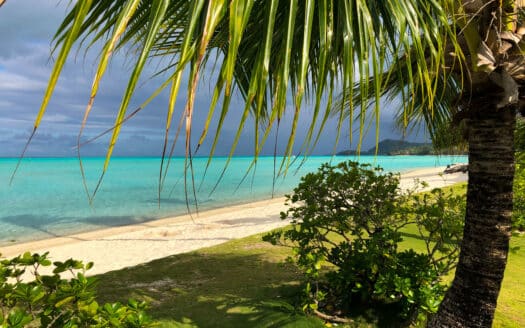
The landscapes here are some of the most stunning on the island. We’re talking about world-class beaches like Playa Bonita and Playa Cosón, where miles of golden sand meet turquoise water, backed by groves of coconut palms. Inland, you can hike or ride a horse to the breathtaking El Limón waterfall, a massive cascade plunging into a cool swimming hole.
What really sets Samaná apart is its community. For decades, it’s been a magnet for a discerning international crowd, which has shaped Las Terrenas into a town with an incredible array of authentic Italian restaurants, French bakeries, and chic shops, all thriving alongside vibrant local life. Expats and locals are completely integrated, sharing the same beaches and lively village center, the Pueblo de los Pescadores.
This seamless blend of cultures is precisely why so many people who visit Samaná find it so hard to leave. It’s a place that offers more than just a vacation; it offers a genuine, enriching way of life.
How to Get Around and Where to Stay

Getting around the Dominican Republic is part of the adventure. Knowing your options and picking the right home base will shape your entire trip, taking it from good to unforgettable.
Transportation Options
Whether you crave the freedom of your own car or the ease of private drivers, you have plenty of ways to explore. Your best bet depends on your comfort level, budget, and how much local flavor you want to experience.
Renting a Car
For total flexibility, nothing beats having your own rental car. The main highways connecting places like Santo Domingo, Samaná, and Punta Cana are in good condition, giving you the freedom to discover hidden beaches at your own pace. A word of caution: the driving culture here can feel chaotic, especially in cities. We advise clients to drive defensively and avoid driving after dark if possible.
Private Transfers and Taxis
For a stress-free ride, especially from the airport, pre-booking a private transfer is the way to go. Your driver will be waiting for you and will get you straight to your door. Uber is also available in major hubs like Santo Domingo and Punta Cana.
Public Transportation
For a local experience, you can hop on the guaguas (small public buses) or use bigger coach lines like Caribe Tours for city-to-city travel. They're incredibly cheap and a great way to see the country, but they run on their own relaxed schedule.
To help you get your bearings, we put together a detailed guide covering everything about traveling within the Dominican Republic, from rental car hacks to bus routes.
Where to Stay in Las Terrenas
While you’ll find plenty of hotels, we've found that vacation rentals give you a much more authentic feel for the area—especially if you're considering investing here one day. Staying in a villa or a condo lets you live like a local and get a true sense of the community.
Here’s a quick rundown of our favorite neighborhoods:
- Pueblo de los Pescadores: The vibrant heart of Las Terrenas. The "Fishermen's Village" is a strip of colorful restaurants and bars right on the sand, perfect if you want to be in the middle of the action.
- Playa Bonita: Often called one of the most beautiful beaches in the world, this area has a more tranquil, upscale vibe. It’s ideal for serene beauty with a touch of luxury.
- Cosón & Portillo: These areas are famous for their massive, jaw-dropping beaches and incredible private villas. They offer more privacy and are perfect for a quiet, relaxing getaway.
Choosing a vacation rental for your visit is like a test drive for a new lifestyle. It’s the single best way to understand the rhythm of a neighborhood and decide if it’s the right fit for your future.
Practical Tips for a Smooth Trip
A little local knowledge makes all the difference. Keep these pointers in mind for a smooth trip.
Money Matters
The official currency is the Dominican Peso (DOP). While US dollars are accepted in many tourist spots, we recommend having pesos for smaller, local purchases at corner stores or markets, where you'll often get a better price. ATMs are easy to find, but stick to the ones attached to major banks.
Staying Connected
To avoid high roaming fees, grab a local SIM card from providers like Claro or Altice. Their affordable data plans will keep you online for maps and calls.
Health and Safety
Tap water is not safe to drink, so always stick to bottled or filtered water. Beyond that, the usual travel smarts apply: be aware of your surroundings and secure your belongings. Las Terrenas has a large and supportive expat community, which helps make it one of the safer and more welcoming towns for international visitors.
How to Turn Your Vacation Into an Investment Discovery Trip
What if your next beach vacation could be more than just a recharge? What if it could be the first step toward a smart, life-changing investment? We hear this story all the time. Our clients visit Las Terrenas, fall in love with the lifestyle, and begin to wonder, "What would it be like to own a piece of this?"
That curiosity is the perfect starting point. Turning a holiday into a productive "discovery tour" is simpler than you might think. It’s not about ditching the beach for meetings; it’s about looking at your trip through a different lens.
As you explore neighborhoods, from the serene shores of Playa Bonita to the breathtaking coastline of Playa Cosón, you're already doing market research. You’re getting a feel for the unique vibe of each area—the first step any savvy investor takes.
The key is to add a little structure. Set aside a morning or two to see a few handpicked properties. This isn't a commitment to buy; it’s an education. It's your chance to see what your money can get you and connect the dots between the lifestyle you love and a tangible asset.
Navigating the Local Real Estate Market
When you dip your toes into the property search, you'll find the Dominican Republic’s market operates a bit differently. Around 99% of listings are non-exclusive, meaning you might see the same property listed by several agencies, sometimes at different prices.
For newcomers, this can be confusing. That’s why partnering with a single, trusted agency is so critical. An experienced advisor acts as your guide, filtering out the noise, verifying prices, and showing you only properties that align with your goals. With over two decades of experience, we help our clients navigate this unique landscape, saving them time and headaches.
Asking the Right Questions During a Viewing
A property viewing here is about more than just the views. You're there to gather crucial data. To make the most of your time, you have to ask the right questions.
Start with the property title. The Dominican Republic uses the Torrens Title System, a highly secure registry that guarantees ownership. You'll want your agent to confirm that the title is clean and "deslindado," meaning its boundaries are clearly defined and officially registered, a process protected under Law 108-05.
To help you stay on track, we've put together a checklist of key things to ask.
Your Property Viewing Checklist for the Dominican Republic
| Category | Key Questions to Ask Your Agent | What to Look For On-Site |
|---|---|---|
| Legal & Title | Is the title "deslindado"? Can I see a copy of the "Certificado de Título"? Are there any liens or disputes? | Check physical boundaries against title documents. Look for any signs of encroachment from neighbors. |
| Utilities & Infrastructure | What is the source of water (public, well)? Is the electricity stable? Is high-speed internet available? | Test water pressure and faucets. Ask to see recent utility bills. Check for backup generators or inverters. |
| HOA & Community | What are the monthly HOA fees? What do they cover? Can I review the community bylaws and financial statements? | Observe the condition of common areas (pool, gardens, security). Talk to other residents if possible. |
| Rental Potential | What are the current rental rates for similar properties in this area? Are there any rental restrictions? | Assess the property's appeal to renters (view, proximity to beach/town, amenities). Note any wear and tear. |
| Construction & Maintenance | How old is the property? Who was the builder? Have there been any major repairs or renovations? | Look for cracks, signs of water damage, or mold. Check the condition of the roof, windows, and major appliances. |
This checklist is a solid foundation for your on-the-ground due diligence. A good agent will have these answers ready for you.
Understanding the Investment Potential
The lifestyle is the dream, but the numbers make it a reality. In 2025, the Dominican Republic welcomed a record-breaking 11.6 million international visitors, cementing its spot as Latin America's second most popular destination. This flow of travelers directly fuels the rental market, especially in hot spots like the Samaná Peninsula. You can get a deeper dive into how this growth is shaping the country's appeal on godominicanlife.com.
For property owners, this translates into tangible returns. We consistently see average rental yields here in Las Terrenas falling between 5.6% and 7.7%. During high season, it's not uncommon for Airbnb occupancy rates to push past 75%.
Your vacation gives you a front-row seat to this dynamic. You can see the rental demand with your own eyes and understand the market in a way you never could from a computer screen. To truly capitalize on what you learn, combine your on-the-ground observations with smart research. A great place to start is this Must-Read Guide to Investing in Your First Airbnb Rental.
Why Record Tourism Makes This the Perfect Time to Visit
If you’re visiting the Dominican Republic now, you’re here during an incredible moment of growth. The country isn’t just popular; it’s shattering tourism records. This boom is the engine revving up the real estate market, creating tangible opportunities.
It’s a straightforward connection: more tourists mean a higher demand for quality places to stay. This directly feeds the short-term rental market, allowing property owners to earn strong, consistent income.
The Numbers Don't Lie
This isn't just about air arrivals. Cruise tourism has exploded, bringing waves of new visitors. In the first eight months of 2025, cruise arrivals shot up by 166% compared to pre-pandemic levels, with 1,920,204 passengers stepping onto Dominican soil.
This flood of visitors signals a powerful, sustained demand for destinations like the Samaná Peninsula. You can get a better sense of this growth by exploring more about the country’s record-breaking arrivals.
As an investor, this constant stream of visitors is what transforms a beautiful vacation home into a high-performing asset. The full restaurants and sold-out tours you see as a tourist are direct indicators of a very healthy rental market.
This dynamic is backed by a legal framework designed to welcome foreign investment. You can buy property here with the same rights as a Dominican citizen, with no restrictions on foreign ownership.
Better yet, many new developments in tourist zones like Las Terrenas qualify for the CONFOTUR law. This offers incredible tax incentives, including a 15-year exemption from both the 3% property transfer tax and the annual 1% property tax (IPI). Your vacation is more than just a chance to relax—it's front-row access to a thriving market.
Got Questions About the Dominican Republic? We've Got Answers.
To wrap up, let's tackle some of the most common questions we hear from first-time visitors and potential buyers.
Is It Safe to Visit the Dominican Republic?
Yes, the Dominican Republic is generally very safe, especially in established tourist and expat hubs like Las Terrenas. Like anywhere in the world, it’s about using common sense—be aware of your surroundings, don't flash expensive items, and stick to well-lit areas after dark.
The strong, welcoming international community in Las Terrenas adds a layer of comfort. It’s completely normal to hear a blend of Spanish, French, English, and Italian, which creates a secure and familiar vibe for new residents.
What Currency Should I Use?
The official currency is the Dominican Peso (DOP), but the US Dollar (USD) is widely accepted in tourist areas. Hotels, tours, and larger restaurants will gladly take your dollars.
Our advice? Carry both. For small, local purchases—like buying fresh fruit from a street cart or grabbing a drink at a colmado (corner store)—using pesos will almost always get you a better deal. Credit cards work in established businesses, but cash is still king for day-to-day life.
Do I Need to Speak Spanish?
While Spanish is the official language, you can get by with English in main destinations like Punta Cana, Santo Domingo's Zona Colonial, and Las Terrenas. Thanks to the large international community, most people in hospitality speak English.
That said, a little effort goes a long way. Locals truly appreciate it when you try a few basic phrases. A simple "hola" (hello), "por favor" (please), and "gracias" (thank you) will always be met with a smile.
Can Foreigners Legally Buy Property?
Absolutely. The country has an incredibly welcoming stance on foreign investment. As a foreign buyer, you have the exact same property rights as a Dominican citizen, and the buying process is secure and transparent.
The entire framework is backed by the Torrens Title system. This is a highly reliable land registry that provides a government guarantee of your ownership, giving the market a rock-solid foundation of legal security.
At Atlantique Sud, we have guided clients from around the world through this straightforward process for over 25 years, ensuring every transaction is handled with the expertise it deserves.
Planning a visit? The best way to truly grasp the lifestyle and investment potential is to experience it firsthand. We'd love to show you what makes this place so special.