Samana Cruise Port: The Essential 2026 Visitor’s Guide
You've got Samaná, Dominican Republic on your itinerary, and the usual cruise questions hit fast. Can you walk off the ship, or are you stuck on a tender? Is it easy to do your own thing? Can you get to a beach, waterfall, or Las Terrenas without turning the day into a transport headache?
The short answer is yes, but only if you plan the day around how the samana cruise port works, not how generic Caribbean port guides describe it. Samaná is beautiful, but it's not a port where you should improvise blindly at noon and hope it all falls into place by all aboard.
What works best here is simple. Decide early whether you want a beach day, a nature day, or a town-and-lunch day. Then match your transportation to that choice. If you do that, Samaná can be one of the most memorable stops on your cruise.
Table of Contents
- Your Ship is Docking in Samaná What's Next
- The Samaná Cruise Port Layout and Experience
- Clearing Customs and Finding Port Services
- Getting Around Samaná Transportation Options and Costs
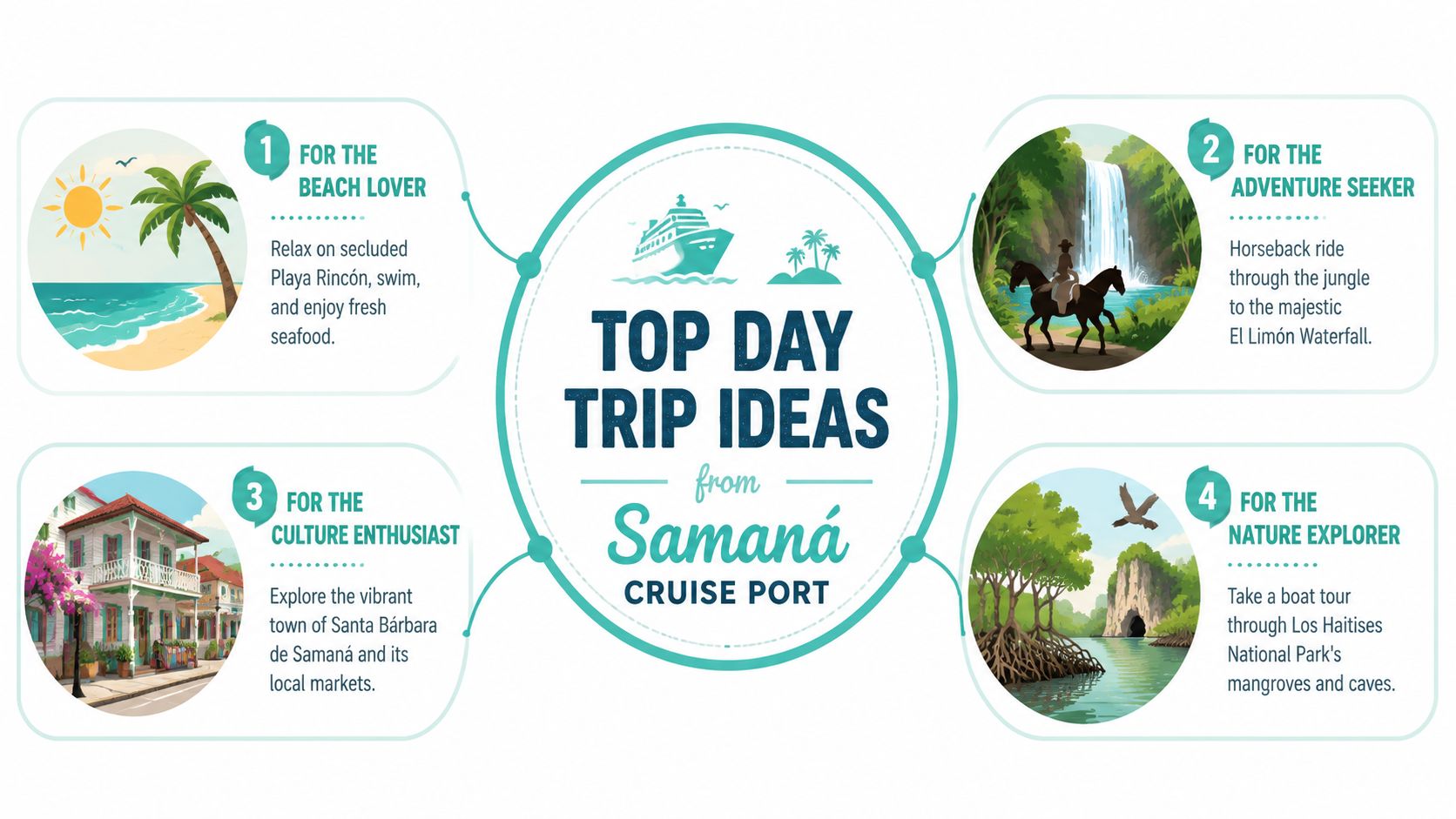
- Top Day Trip Ideas from the Samaná Cruise Port
- When a Day Trip Is Not Enough The Lifestyle Appeal
Your Ship is Docking in Samaná What's Next
The first thing to do is check how your ship is arriving. That detail decides the pace of your morning. Some passengers now walk ashore directly, while others still use tenders depending on the ship and berth assignment.
If you're traveling with kids, older relatives, or anyone who dislikes rushed transitions, build in extra buffer time before committing to an independent excursion. Samaná is rewarding, but it's not the stop to leave with a vague plan and no transport decision.
A smart day in the samana cruise port usually follows this order:
- Confirm your arrival type on the ship app or daily bulletin.
- Choose one main outing, not three partial ones.
- Set your return time early and keep it conservative.
- Carry small cash for tips, drinks, and local purchases.
- Pack for heat and water, even if your main plan is just a town stroll.
Practical rule: In Samaná, one well-chosen excursion beats an overpacked schedule every time.
If your plan includes a boat transfer, beach landing, or any small craft excursion, basic prep helps. A short read on important boating essentials is useful for first-time cruise visitors who don't spend much time on smaller boats. It covers the kind of simple habits that make a water-based day smoother, especially if you're moving between ship, tender, and local boat.
What to decide before you step off
Some travelers want a low-effort day. For them, the best move is a nearby beach or a simple waterfront lunch in town.
Others want the full Samaná experience and should commit to one of the classics, usually Cayo Levantado, El Limón, or a run toward Las Terrenas. Those are all realistic, but only if you leave the port with your transport sorted and your timing under control.
The Samaná Cruise Port Layout and Experience
Samaná used to be known mainly as a tender port. That meant ships stayed offshore, and passengers came in by smaller boats. The experience was scenic, but not always fast.
What changed at the port
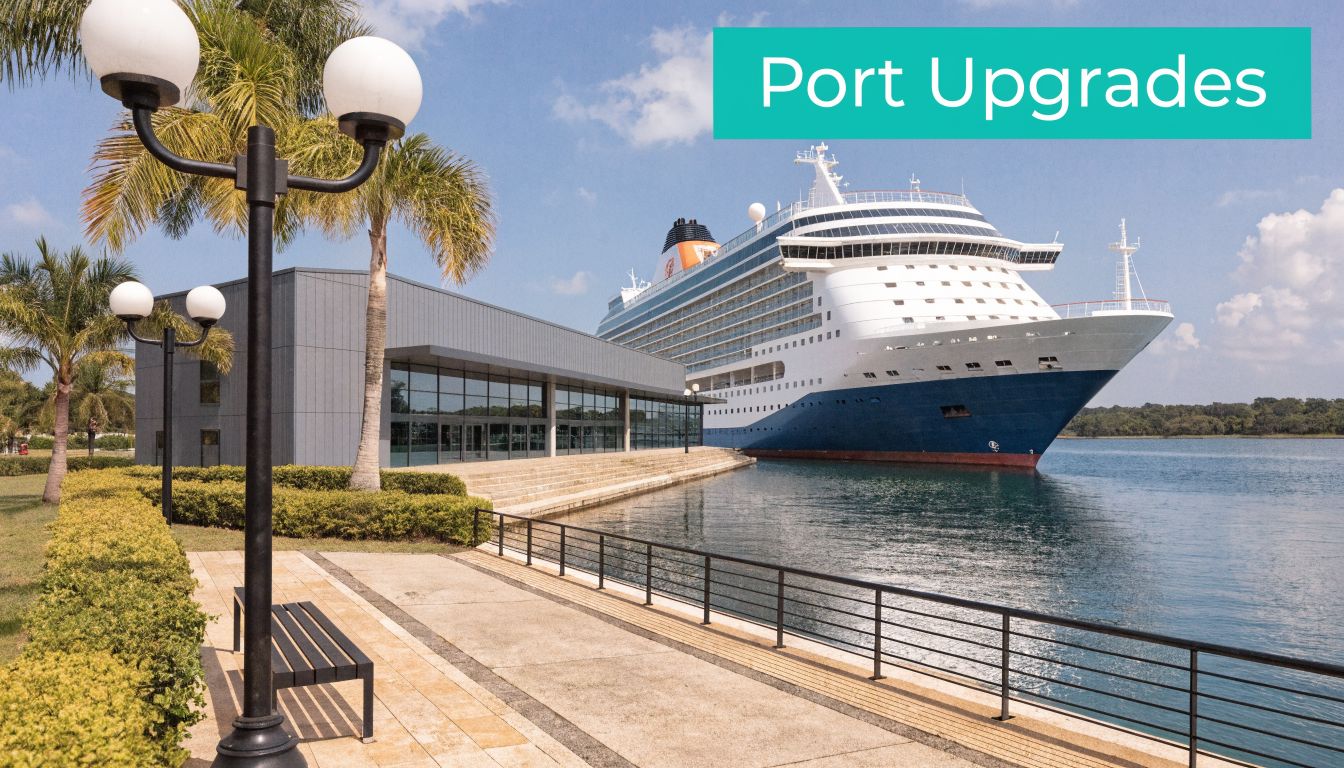
The upgrade matters because it changed the first hour of your day. According to CruiseMapper's report on the Samaná project, the Dominican Port Authority designed the new facility to accommodate up to three cruise vessels simultaneously: one via a state-of-the-art SeaWalk floating pier capable of handling ships with up to 5,000 passengers, and two additional vessels at anchor using tender operations.
In practical terms, that means some visitors now get a cleaner, easier arrival. Others still come in the traditional way, especially when more than one ship is in play. So if one person says, “We walked straight off,” and another says, “We had to tender,” both can be right.
That's why checking your ship details before breakfast matters more here than in a fully standardized mega-port.
What the arrival feels like
The area feels more functional than flashy. You're not stepping into a giant enclosed retail complex. That's part of the appeal. Samaná still feels connected to the town and the bay around it.
The upside is character. The trade-off is that you need a bit more awareness. Know where your pickup point is, keep the ship time clear in your head, and don't assume every service works like a highly controlled private terminal.
If you want to confirm which cruise ships typically call in Samaná and how itineraries vary by season, that kind of schedule checking is worth doing before you sail, not once you're already in line to disembark.
Some ports are built for wandering first and deciding later. Samaná rewards the opposite approach.
You'll usually find the immediate port zone easy enough to get around. The bigger question isn't the layout itself. It's whether you're using the port as a quick launch point or lingering too long there and losing valuable shore time.
A quick visual can help set expectations before arrival:
If your ship arrives by tender, the bay itself is part of the experience. The approach is beautiful, and many visitors enjoy that first look at the green hills wrapping around the water. If you dock directly, the morning is more efficient, which is better if you've booked something farther out.
Either way, treat the port as a transit point, not the destination. Samaná's true worth starts once you move beyond the terminal.
Clearing Customs and Finding Port Services
Most cruise passengers won't find arrival formalities difficult. The key is staying calm through the first wave of people coming ashore at the same time.
Your first minutes ashore
Once you disembark, follow the marked flow and have your ship card and ID ready if requested. In most cases, the process is straightforward for cruise visitors, and the bigger delay comes from crowd timing rather than paperwork itself.
If you're on a tender arrival, the line to leave the ship can shape your whole morning. Early movers usually get the easiest start. Late movers often spend more time waiting, then feel pressure to rush once they reach land.
A good rhythm is simple:
- Pause before exiting the terminal: Get your bearings before saying yes to any driver or guide.
- Locate the official information point: That's the easiest place to confirm directions and typical transport patterns.
- Use the restroom first: It sounds basic, but it prevents an avoidable stop once you've started negotiating transport.
Money, restrooms, and simple essentials
You'll typically find the basics near the terminal area, such as tourist information, excursion assistance, restrooms, and a few places for souvenirs or small necessities. Don't expect a giant shopping district inside the port itself.
For payments, U.S. dollars are commonly accepted for larger tourist purchases, especially transport and organized outings. But having some Dominican pesos is useful for smaller spending, especially if you buy snacks, drinks, or local items away from the main visitor flow.
Carry two wallets in effect: one for main spending, one with small notes for the day. It makes short stops much easier.
If you rely only on cards, you may still be fine in some places, but independent travel works better when you can pay quickly and move on. Small cash also helps when splitting rides or tipping a driver, boat crew, or local guide.
One thing that doesn't work well is lingering too long in the terminal deciding what to do. By the time you debate beaches versus waterfalls for half an hour, you've already started shrinking your window. In Samaná, the people who enjoy the port most are usually the ones who make a clear choice early and stick to it.
Getting Around Samaná Transportation Options and Costs
Transportation is where your day can either stay smooth or fall apart. The samana cruise port gives you several workable choices, but each one comes with a clear trade-off between control, cost, and flexibility.
The four options that matter
Cruise line excursions are the least stressful option. You pay for convenience and ship-aligned timing. If you don't want to negotiate, translate, or manage return logistics yourself, this is the safe choice.
Licensed taxis are the best fit for many independent visitors. They work well for simple point-to-point trips or half-day custom outings, especially for couples or small groups who can split the fare. The important part is agreeing on the route, stop time, and return plan before leaving.
Motoconchos exist, but they're not the right choice for most first-time cruise passengers. They can be handy for short local hops if you already know the area. They're not ideal if you're carrying beach gear, traveling with family, or trying to cover a longer route comfortably.
Pre-booked private transfers are the best independent option for visitors who want control without improvisation. If you're heading farther across the peninsula, this is usually the cleanest setup. It's also the easiest way to build a day around specific stops instead of accepting whatever route is offered on the spot.
Local insight: The cheapest ride in front of you isn't always the best ride for a cruise day. Reliability matters more than shaving a small amount off the fare.
If you're comparing whether to cruise in or fly back later for a longer stay, our overview of flying to Samaná from abroad and through El Catey gives useful context on how the peninsula connects beyond the port.
Quick comparison for popular day trips
Exact fares can vary by ship day, group size, demand, and whether the driver waits for you. So treat the table below as a planning tool, not a fixed tariff sheet.
| Destination | One-Way Travel Time | Est. One-Way Taxi Cost (USD) |
|---|---|---|
| Samaná town waterfront area | Short local ride | Varies, agree before departure |
| Cayo Levantado departure point | Short transfer plus boat connection | Usually arranged as part of boat outing |
| El Limón area | Moderate drive | Varies by vehicle and wait time |
| Las Terrenas | Longer cross-peninsula drive | Higher fare, best split between passengers |
A few practical rules matter more than any table:
- For nearby outings: A taxi on arrival is usually fine.
- For El Limón: Confirm whether the driver is taking you to the correct starting point for horseback or hiking access.
- For Las Terrenas: Don't do this casually at midday without a return plan.
- For boat-based trips: Clarify whether the driver stays, returns later, or hands you to another contact.
What doesn't work well is assuming you can string together multiple distant stops cheaply and still return without stress. Road time on the peninsula is part of the experience, but it still uses up your shore window.
If you want maximum freedom, private transport wins. If you want minimum decision-making, stick with an organized excursion. Most cruise visitors are happiest when they choose one of those two and avoid the messy middle.
Top Day Trip Ideas from the Samaná Cruise Port
Samaná works best when you match the outing to the kind of day you prefer. Some visitors need calm water and shade. Others want rainforest trails and a proper outing. Some step ashore and realize they'd rather wander through a living town than sit on a packaged beach.
If you want the easiest beach day
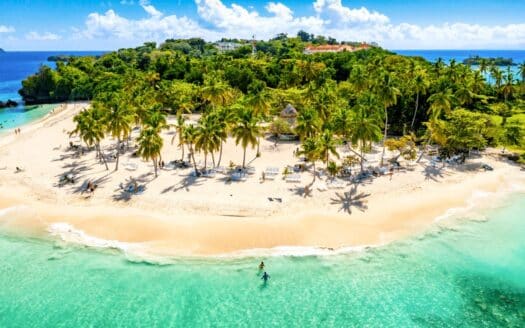
Cayo Levantado is the classic answer when you want a scenic island feel without a complicated land transfer. The trip is naturally broken into simple parts, port to boat, boat to beach, beach back to boat. That rhythm works well for cruise passengers because it's easy to understand and hard to overcomplicate.
Expect a popular setting rather than a hidden one. That's not a criticism. It just means the day is about convenience, swimming, photos, and a relaxed lunch, not total isolation.
This option works especially well if your group includes mixed energy levels. Some people can swim, others can stay in the shade, and nobody has to commit to a long inland journey.
If you want jungle and waterfall scenery
El Limón Waterfall is for visitors who want something more physical and more distinctively Samaná. The route itself is part of the appeal. You move through greener terrain, and the outing feels less like a standard cruise stop and more like a proper inland excursion.
There's usually a choice between horseback access and hiking, depending on the operator and your comfort level. Neither choice is universally better. Horseback is easier for some visitors, while others prefer to walk and control their footing.
Be honest about mobility and shoes. This is not the excursion to do in flimsy sandals because the photos looked easy.
Wear shoes you trust on wet ground. That matters more than dressing for the pictures.
Some travelers love El Limón because it feels active and memorable. Others regret choosing it because they wanted a gentler day and didn't admit it to themselves in time. Know which person you are before you book.
If you want local life and a longer look at the peninsula
For many experienced travelers, Las Terrenas is the most rewarding independent outing from Samaná, provided you're comfortable devoting a larger part of the day to the drive. It gives you a different side of the peninsula. Less excursion feel, more real coastal lifestyle.
Visitors start to notice the mix that makes the area distinctive. Beach town energy, Dominican daily life, international influence, and neighborhoods that feel lived in rather than staged for a port call. A walk through Pueblo de los Pescadores, lunch by the sea, and time near Playa Bonita can leave a stronger impression than a faster, more packaged stop.
The mistake here is trying to squeeze Las Terrenas into a rushed half-plan. If you go, commit to it. Have your transport sorted, keep an eye on ship time, and choose quality over quantity.
For visitors who become curious about the bay's natural side after a cruise stop, our local overview of whale watching in Samaná Bay is a useful next read.
If you're visiting in whale season
Winter changes the whole mood of Samaná. According to the same CruiseMapper report cited earlier, up to 1,500 North Atlantic humpback whales gather in Samaná Bay during migration season, which is why the area is widely regarded as a major whale-watching destination.
That matters even if whale watching isn't your only plan. The bay feels alive in that period, and many visitors come away feeling they only sampled what Samaná can offer in one cruise day.
Other worthwhile ideas, depending on your pace and interests, include:
- Santa Bárbara de Samaná: Better for travelers who want a simpler town-based outing with less transit.
- Los Haitises direction: Better as a dedicated nature outing than a rushed add-on.
- Playa-focused custom day: Best for people who want less movement and more time in one place.
The common thread is this. Pick the version of Samaná that fits your mood. Don't book the most famous excursion if what you really want is a quiet lunch with a sea view.
When a Day Trip Is Not Enough The Lifestyle Appeal
A lot of cruise visitors step back on board with the same reaction. They didn't just enjoy Samaná. They felt they'd only seen the edge of it.
That usually happens after a day in Las Terrenas, Playa Bonita, Cosón, or even just a drive across the peninsula. The pace is different from the big resort zones. People notice the green hills, the beaches that still feel open, the mix of restaurants and local life, and the fact that the area rewards staying longer.
Why some visitors start thinking beyond the cruise stop
The port's expansion has practical ripple effects beyond tourism day trips. As noted in this report on Samaná Bayport and the rental market, the influx of visitors from the port creates high demand for short-term rentals, where beachfront condos starting at $200,000 can achieve 5.6–7.7% average yields, with some well-managed properties reaching 8-10%.
That's part of why some travelers return for a land stay after first seeing the area by ship. They want more time in neighborhoods like Playa Bonita or Portillo, and they want to see how daily life feels once the cruise schedule is gone.
If that sounds familiar, browsing real examples of Samaná and Las Terrenas real estate opportunities gives you a clearer sense of what staying longer, or owning here, can look like in practice.
The key is not to romanticize the decision. Life on the peninsula is rewarding, but it still requires local knowledge, especially around location, management, and how different neighborhoods fit different lifestyles. The good news is that many people first discover that question through exactly this kind of cruise stop.
If your stop at Samaná leaves you thinking about a longer stay, a second home, or coming back with more time, Atlantique Sud Real Estate can help you understand the area with real local context. We know the differences between Playa Bonita, Cosón, Portillo, El Limón, and the center of Las Terrenas, and we're happy to help you turn a great cruise day into a smarter next visit.