10 Dominican Republic Native Food Classics You Must Try
As specialists in Las Terrenas real estate for over 25 years, we at Atlantique Sud know that investing here isn't just about property; it's about embracing a lifestyle. A huge part of that lifestyle is the vibrant culinary scene. Understanding the local culture, including the authentic Dominican Republic native food, gives our clients a richer, more connected experience that turns a property investment into a true home.
This guide is your map to the heart of the Dominican Republic's flavour. We'll explore the essential dishes that define this island, from bustling street food stalls in Samaná to the finest restaurants in Las Terrenas. Knowing these tastes will not only enrich your visits but also give you a deeper appreciation for the community you are joining. Just as food traditions shape cultural identity worldwide, understanding what's on the menu here provides invaluable local insight. For another fascinating perspective on this connection, consider exploring traditional food offerings for cultural celebrations.
From the national dish La Bandera Dominicana to savoury Sancocho and the breakfast staple Mangú, this list covers the ten must-try foods for any prospective investor or resident. Let's dive into the flavours that make life in Las Terrenas so uniquely satisfying.
1. La Bandera Dominicana: The National Plate
The most essential of all Dominican Republic native food is La Bandera Dominicana. Translating to "The Dominican Flag," this dish is not just a meal; it is a cultural institution and the undisputed centre of the Dominican lunch table. Its composition perfectly mirrors the nation's flag, featuring the trio of white rice, stewed red beans, and a portion of savoury meat.
This plate is the heart of Dominican home cooking. The meat is typically chicken or beef, slow-stewed to tender perfection in a flavourful broth rich with local herbs and vegetables. You'll find La Bandera served everywhere, from bustling local eateries known as comedores to the quiet family kitchens in Las Terrenas. For anyone considering relocating or investing here, understanding the significance of this daily meal is key to understanding the rhythm of local life.
Experiencing La Bandera
When you sit down to enjoy La Bandera, you are participating in a cherished daily tradition. It represents community, family, and the profound satisfaction of a simple, well-prepared meal. This is the authentic taste of the Dominican Republic, offering a delicious insight into the country's soul.
- Pro Tip: For the best experience, soak the red beans overnight to ensure they cook evenly and become creamy. Using bone-in meat for the stew will also create a much richer and more flavourful broth.
- Where to Find It: Look for small, family-run comedores off the main tourist paths for the most authentic and memorable version of this national dish.
As you explore the vibrant culture of this nation, you'll discover that its culinary traditions, like La Bandera, are a cornerstone of daily life. To truly appreciate what it means to live here, one must first appreciate its food. For a deeper dive into the nation's culinary delights, you can learn more about must-try foods of the Dominican Republic.
2. Sancocho: The Celebratory Stew
If La Bandera is the daily lunch, Sancocho is the meal for celebration and community. This hearty, traditional stew is a cornerstone of Dominican Republic native food, a one-pot wonder often prepared in large batches for family gatherings, special occasions, and rainy days. It’s a rich, thick soup made from a variety of meats and root vegetables, simmering for hours to build its complex flavour.
The base typically includes a mix of meats like chicken, beef, and sometimes pork, stewed with root vegetables such as yuca, plantains, yautía (taro root), and pumpkin. The result is a deeply comforting and savoury dish that varies from one family's recipe to the next. For those looking to invest in a life here, sharing a bowl of Sancocho is an invitation into the heart of Dominican hospitality and culture.
Experiencing Sancocho
To eat Sancocho is to partake in a communal tradition. It’s a dish that signifies unity and abundance, often served with a side of white rice and slices of avocado. This beloved stew offers a genuine taste of Dominican generosity and culinary heritage, warming you from the inside out.
- Pro Tip: For an authentic flavour, create a base with a classic Dominican sofrito (a blend of cilantro, peppers, garlic, and onion). Adding a squeeze of sour orange or lime juice at the end brightens the rich, savoury notes of the stew.
- Where to Find It: While many restaurants serve it, especially on weekends, the best Sancocho is often found at a family home during a celebration or a local festival. It is the ultimate expression of Dominican home cooking.
3. Mangú
A cornerstone of Dominican Republic native food, Mangú is the quintessential Dominican breakfast. This humble yet profoundly satisfying dish is made from boiled and mashed green plantains, whipped until smooth with butter or oil, and often topped with tangy, sautéed red onions. It represents the resourcefulness and rustic charm of Dominican culinary traditions.
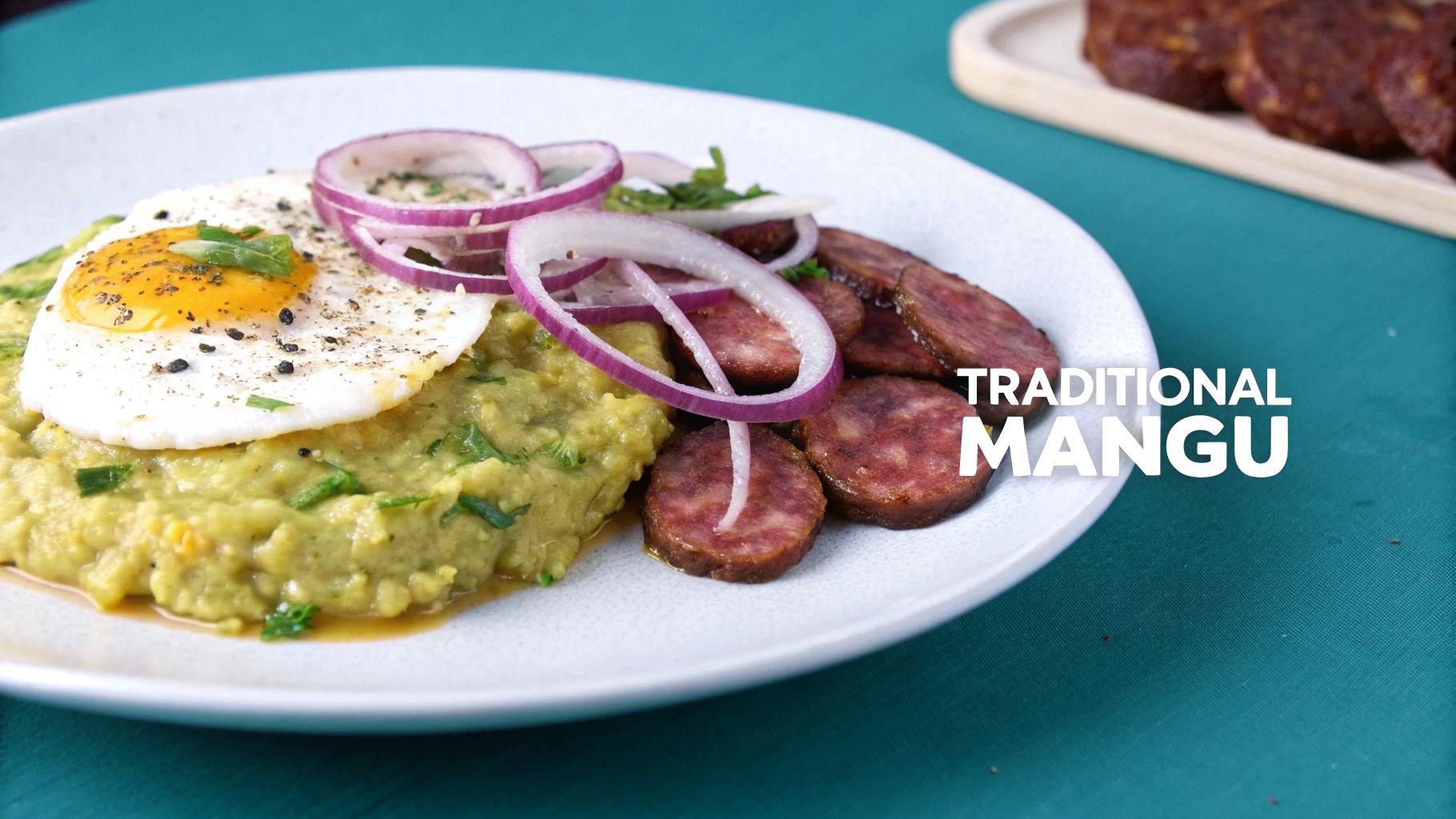
The classic way to serve Mangú is with Los Tres Golpes ("The Three Hits"): fried Dominican salami, fried cheese (queso frito), and fried eggs. This hearty combination provides the perfect fuel for a day of exploring properties in Las Terrenas or relaxing on the beach. It is a meal enjoyed by Dominicans from all walks of life, a unifying comfort food that speaks to the heart of the island’s culture. Understanding this breakfast ritual is part of embracing the local lifestyle.
Experiencing Mangú
Starting your day with a plate of Mangú is to experience Dominican warmth and hospitality firsthand. It’s a simple, nourishing meal that embodies a sense of home and tradition. This dish offers an authentic taste of the Dominican morning, showcasing how basic, local ingredients are transformed into something truly special.
- Pro Tip: Always use firm, green plantains for the correct starchy texture. Mashing them while they are still hot with a splash of the water they were boiled in is the secret to a perfectly smooth and creamy consistency.
- Where to Find It: While available in many hotel breakfast buffets, the best Mangú is often found in local cafeterías or small neighbourhood restaurants where it’s made fresh to order each morning.
4. Habichuelas Guisadas: The Soulful Stewed Beans
A fundamental component of Dominican Republic native food is Habichuelas Guisadas. These stewed beans are much more than a simple side dish; they are a rich, savoury, and essential part of the daily culinary rhythm, most notably as a key element of La Bandera. Typically made with red kidney or pinto beans, they are simmered slowly to create a thick, flavourful stew.
The distinctive taste comes from a base of sofrito, a flavourful blend of sautéed onions, garlic, peppers, and fresh cilantro, enriched with tomato paste and local seasonings. This dish embodies the comforting nature of Dominican home cooking. For those considering a life in the Dominican Republic, understanding how central dishes like this are to family meals provides a real taste of the local culture and community spirit in places like Las Terrenas.
Experiencing Habichuelas Guisadas
Enjoying a bowl of Habichuelas Guisadas is like receiving a warm hug. It is a dish that speaks of tradition and the slow-simmered care that defines Dominican cuisine. Whether served over a bed of white rice or alongside a main course, it offers a deeply satisfying and authentic flavour.
- Pro Tip: For a truly creamy consistency, add a piece of auyama (West Indian pumpkin) to the pot while the beans are simmering. It will dissolve and naturally thicken the stew, adding a subtle sweetness.
- Where to Find It: Nearly every Dominican restaurant and comedor serves this beloved staple daily. It is a non-negotiable part of the lunchtime menu, showcasing the heart of Dominican flavour.
As you explore the vibrant lifestyle here, you will find that these foundational dishes are integral to the culture. Appreciating the food is the first step to appreciating the Dominican way of life.
5. Yuca Frita
A beloved staple of Dominican Republic native food, Yuca Frita offers a delightful contrast of textures that makes it an unforgettable comfort food. This simple yet satisfying dish consists of yuca (cassava root) cut into thick, elongated pieces and deep-fried to a perfect golden brown. The result is a wonderfully crispy exterior that gives way to a soft, creamy interior.
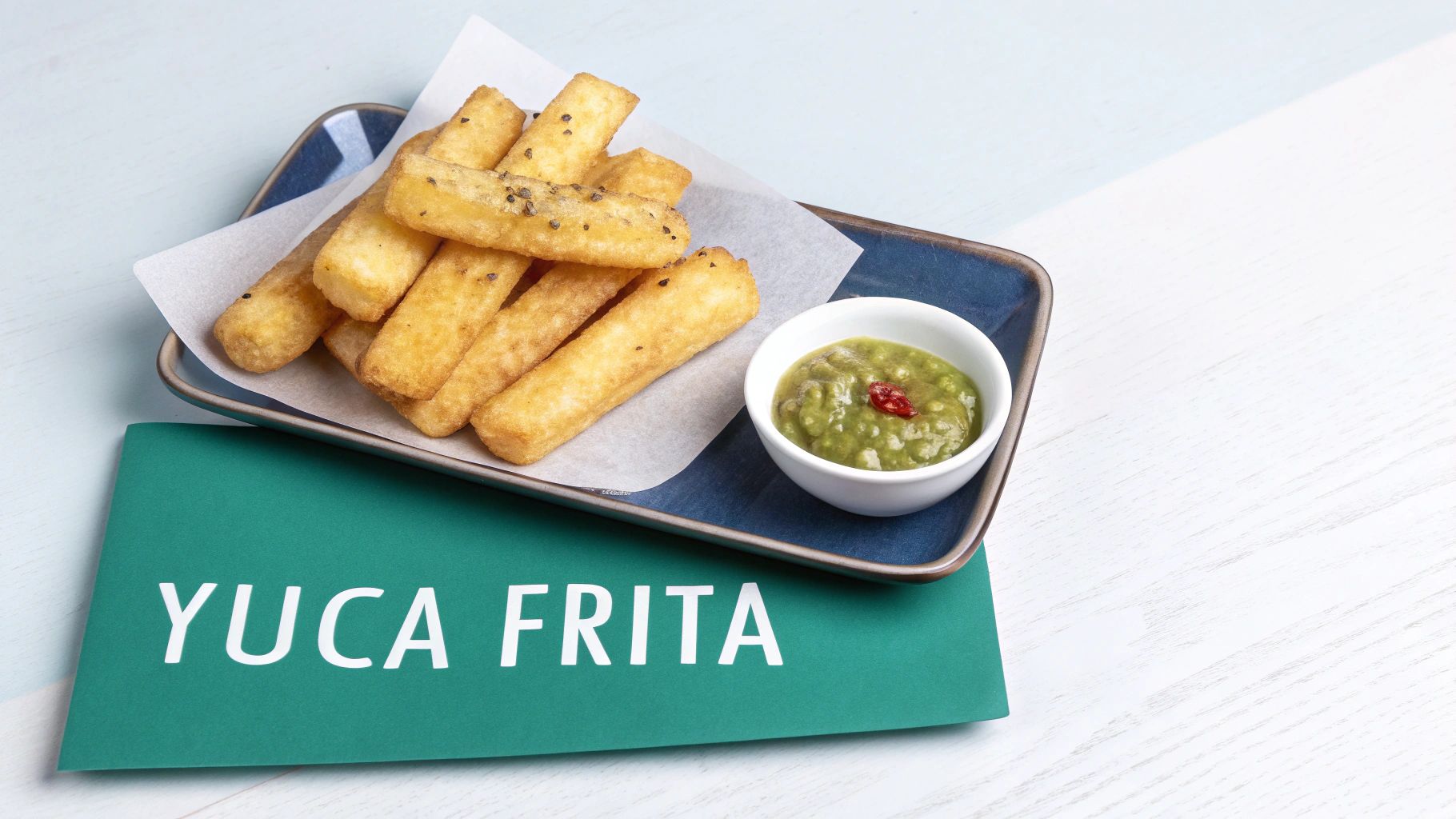
Often served as an appetizer or a side dish, Yuca Frita is a cornerstone of casual Dominican dining and vibrant street food culture. It is frequently paired with a zesty mojo dipping sauce made from lime juice, garlic, and oil. For those considering a life in places like Las Terrenas, enjoying Yuca Frita at a beachside bar is a quintessential local experience, embodying the relaxed and flavourful lifestyle of the island.
Experiencing Yuca Frita
To enjoy Yuca Frita is to connect with the casual, communal side of Dominican culinary tradition. It is the perfect accompaniment to a cold beer, a shared meal among friends, or a quick snack while exploring local markets. This dish showcases how simple, native ingredients are transformed into something truly special.
- Pro Tip: For the best results, partially boil the yuca before frying. This ensures the inside is perfectly tender while the outside gets exceptionally crispy. Always serve them hot, fresh from the fryer.
- Where to Find It: You can find excellent Yuca Frita at street food stalls, casual pica pollos (fried chicken shops), and as a side dish in most Dominican restaurants.
As you immerse yourself in the local culture, you'll find that dishes like Yuca Frita are woven into the fabric of everyday life. Understanding these culinary traditions is part of appreciating the rich lifestyle that draws so many to invest and live in this beautiful country.
6. Tostones: The Essential Caribbean Side
No list of Dominican Republic native food would be complete without celebrating Tostones. These savoury, twice-fried green plantain slices are a beloved staple across the island and a quintessential part of the culinary experience. Crispy on the outside with a tender, starchy interior, they serve as the perfect appetizer, snack, or side dish to almost any Dominican meal.
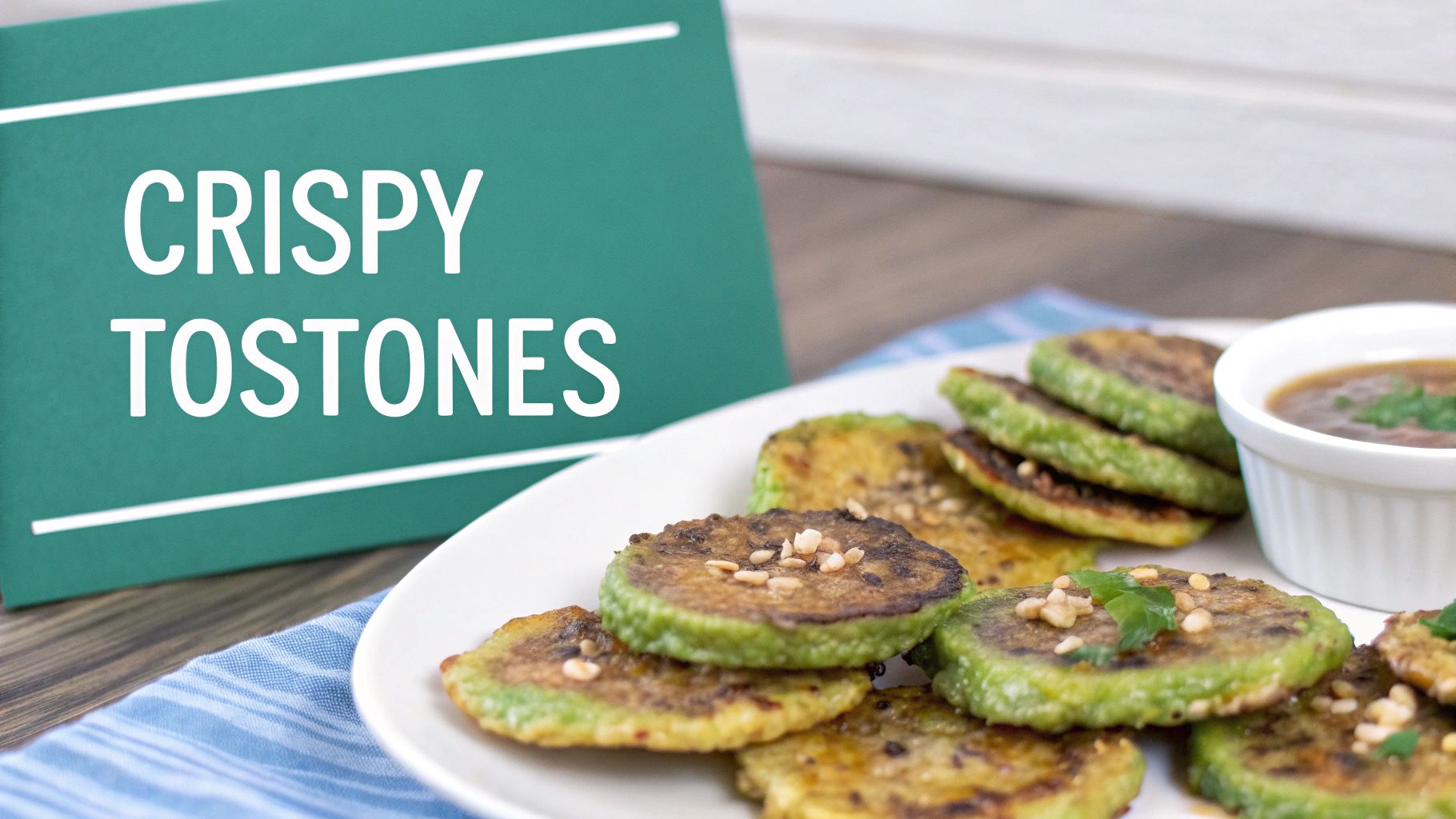
Often served simply with a sprinkle of salt or accompanied by a zesty garlic mojo sauce for dipping, tostones are a versatile and delicious symbol of Caribbean flavour. You'll find them on the menu at nearly every restaurant, from beachfront shacks in Las Terrenas to upscale dining establishments. For investors and future residents, understanding the role of simple yet iconic foods like tostones offers a glimpse into the everyday pleasures that make life here so rich and flavourful.
Experiencing Tostones
Enjoying a fresh, hot plate of tostones is an authentic taste of daily Dominican life. They represent the resourceful and flavourful nature of local cooking, turning a humble plantain into a crispy, satisfying treat. This is a must-try food that connects you directly to the heart of the island's culture.
- Pro Tip: For perfectly crispy tostones, ensure the plantains are very green and firm. The key is the double-fry method: a first, gentle fry to soften them, followed by flattening, and then a second fry at a higher temperature to achieve that golden, crunchy exterior.
- Where to Find It: You can find excellent tostones everywhere, but they are often best when ordered as a side with fresh fish at a pescadería (fish restaurant) along the coast.
As you settle into the rhythm of the Dominican Republic, you will find tostones become a familiar and welcome part of your dining experience. Embracing these culinary traditions is part of what makes living and investing in this beautiful country so rewarding.
7. Pescado a la Sal
Among the most impressive examples of Dominican Republic native food is Pescado a la Sal, a traditional coastal preparation method that highlights the country's deep connection to the sea. Translating to "Salt-Baked Fish," this dish involves encasing a whole fish in a thick crust of salt and egg whites before baking. This technique locks in moisture, steaming the fish in its own juices.
The result is an incredibly tender and flaky fish, seasoned perfectly from the inside out. This method is a celebration of simplicity and fresh ingredients, letting the natural flavour of the catch shine through. It is a popular centrepiece for special family meals and a signature offering in high-end coastal restaurants, showcasing the elegant side of Dominican culinary tradition.
Experiencing Pescado a la Sal
When the hard salt crust is cracked open at the table, it releases an aromatic steam, revealing the perfectly cooked fish within. This dish is not just a meal; it is a culinary experience that speaks to the island's bountiful seas. It represents a sophisticated yet pure approach to local seafood.
- Pro Tip: Use a fresh, whole fish like red snapper with the scales left on; this prevents the flesh from becoming too salty. The salt crust should be carefully tapped and lifted off in large pieces to reveal the pristine fish underneath.
- Where to Find It: Seek out reputable seaside restaurants in towns like Las Terrenas or Punta Cana that specialize in fresh, local catches for an unforgettable Pescado a la Sal experience.
Understanding the local culinary landscape is part of appreciating the lifestyle here. For those interested in coastal living, exploring the seafood traditions is essential. You can learn more about the best local seafood in the Dominican Republic and discover other ocean-to-table delights.
8. Huevos Criollos
While many breakfasts around the world feature eggs, few prepare them with the aromatic flair found in Dominican Republic native food. Huevos Criollos, or Creole-style eggs, transform a simple meal into a savoury, vibrant experience. This breakfast staple involves fried eggs smothered in a rich, flavourful sauce crafted from a sofrito base, onions, tomatoes, and local seasonings.
This dish perfectly showcases the Dominican love for well-seasoned, complex flavours, even in the first meal of the day. Often served alongside fresh bread for dipping or with a hearty portion of mangú, Huevos Criollos offer a comforting and delicious start to the morning. Understanding this dish is appreciating the local philosophy that every meal, no matter how simple, is an opportunity for fantastic flavour.
Experiencing Huevos Criollos
Enjoying Huevos Criollos is a perfect way to start your day like a local, whether you are visiting Las Terrenas or considering a more permanent move. It is a taste of home for Dominicans and a delightful discovery for newcomers, representing the warmth and heartiness of the island's culinary culture. This is the authentic flavour of a Dominican morning.
- Pro Tip: For the most authentic taste, prepare the tomato-based sauce first, allowing the flavours to meld before you cook the eggs. Pouring the warm sauce over freshly fried eggs just before serving ensures the perfect texture and temperature.
- Where to Find It: This breakfast is a staple in homes and local comedores across the country. For a true taste, find a breakfast spot popular with locals rather than a tourist-focused café.
As you explore the investment opportunities and lifestyle in the Dominican Republic, you'll find that its culinary traditions are an integral part of the daily rhythm. A meal like Huevos Criollos is more than just food; it is an insight into the vibrant life that awaits you here.
9. Empanadillas
A cornerstone of street food culture, Dominican Republic native food would be incomplete without empanadillas. These are golden, deep-fried pastry turnovers, crimped at the edges and filled with a variety of savoury ingredients. They are the quintessential Dominican snack, perfect for a quick bite on the go or as a popular appetizer at family celebrations and social gatherings.
The fillings for these delicious pockets are diverse, with the most common being seasoned ground beef (de carne) or shredded chicken. You will also find versions filled with gooey cheese (de queso) or, especially in coastal areas like Las Terrenas, fresh crab meat (de jueyes). Their versatility and portability make them an integral part of daily life, enjoyed by everyone from schoolchildren to business professionals.
Experiencing Empanadillas
To enjoy an empanadilla is to taste the vibrant, fast-paced side of Dominican culinary life. Often sold from street carts or small kiosks, they are best eaten hot, right out of the fryer, and frequently served with a side of tangy hot sauce for dipping. This is the flavour of community, convenience, and comfort all wrapped in one crispy package.
- Pro Tip: For an authentic experience, ensure the filling is generously seasoned with Dominican sofrito and the edges are sealed firmly with a fork to prevent them from bursting during frying. They must be fried until a deep golden-brown for the perfect crunch.
- Where to Find It: The best empanadillas are found at bustling street-side stands or beach-front shacks. These vendors have often perfected their recipes over generations, offering the most flavourful and authentic versions.
Exploring the local food scene is a fantastic way to connect with the culture before investing in property here. You can discover more about these and other local favourites in this complete guide to Dominican street food.
10. Queso Fresco con Huevos
A quintessential Dominican breakfast, Queso Fresco con Huevos, showcases the simple elegance of Dominican Republic native food. This humble yet beloved dish features fresh, crumbly white cheese gently combined with scrambled or fried eggs. It is a testament to the local appreciation for high-quality, fresh ingredients and represents the heart of everyday home cooking across the nation.
This meal is a morning staple, reflecting the rhythm of daily life from Santo Domingo to the quiet communities in Las Terrenas. Its beauty lies in its simplicity and the pure flavour of its components. Often served with warm bread and butter or mangú, it provides a nourishing and satisfying start to the day. For those considering a life in the Dominican Republic, understanding simple, daily traditions like this breakfast is key to integrating into the local culture.
Experiencing Queso Fresco con Huevos
Enjoying this dish connects you to the authentic, unpretentious side of Dominican culinary life. It’s a flavour that is both comforting and distinctly Caribbean, offering a delicious glimpse into the daily routines of Dominican families. It’s the kind of meal that fuels the day for work, school, and community life.
- Pro Tip: For the most authentic texture and flavour, add the crumbled queso fresco to the eggs just as they finish cooking to warm it through without melting completely. A sprinkle of fresh cilantro and a drizzle of olive oil can elevate the dish beautifully.
- Where to Find It: While available in many local comedores and cafes, the best version is often found in a Dominican home. It’s a breakfast that truly tastes of family and tradition.
As you explore investment opportunities here, you'll find that the country's rich culinary heritage is an integral part of its appeal. Embracing these simple, daily pleasures is part of what makes life in the Dominican Republic so rewarding.
Top 10 Dominican Dishes Comparison
| Dish | Implementation complexity | Resource requirements | Expected outcomes | Ideal use cases | Key advantages |
|---|---|---|---|---|---|
| La Bandera Dominicana | Moderate — multiple components cooked separately | Common pantry ingredients (rice, beans, meat), moderate cooking time | Hearty, balanced plate with distinct components | Daily lunches, family meals | Affordable, filling, culturally emblematic |
| Sancocho | High — long simmering and staged additions | Variety of root vegetables, meats, large pot, long cook time | Very rich, deep-flavored stew that improves with time | Celebrations, large gatherings, cold days | Economical for groups, deeply flavorful, flexible |
| Mangú | Low — simple boiling and mashing | Green plantains, butter/oil, pan; short prep time | Creamy mashed plantains with customizable toppings | Breakfast or light dinner | Quick, inexpensive, versatile pairing options |
| Habichuelas Guisadas | Moderate — sofrito plus slow-simmered beans | Dry beans (soaked), sofrito ingredients, stovetop time | Tender, flavorful stewed beans used as side or base | Daily side dish, component of La Bandera | High protein/fiber, budget-friendly, makes-ahead |
| Yuca Frita | Low–Moderate — parboil then fry, oil control needed | Fresh yuca, frying oil, pot or fryer | Crispy exterior with creamy interior; best served hot | Street food, appetizer, side dish | Popular crowd-pleaser, quick to cook and reheat |
| Tostones | Moderate — two-stage frying and flattening | Green plantains, frying oil, flattening tool | Crispy, crunchy rounds with tender center | Appetizers, sides, snacks, street food | Simple ingredients, widely liked, good for sharing |
| Pescado a la Sal | Moderate–High — technique-sensitive salt crust baking | Whole fresh fish, large amount of salt, oven | Exceptionally moist, flaky fish with dramatic presentation | Special occasions, coastal/restaurant dining | Minimal seasoning needed, impressive and tender result |
| Huevos Criollos | Low — quick sauce and egg cooking | Eggs, tomatoes/onions/sofrito, skillet; ~15 minutes | Savory eggs in aromatic tomato-based sauce | Breakfast or quick light dinner | Fast, protein-rich, uses common staples |
| Empanadillas | Moderate — dough/filling prep and frying | Pastry or dough, fillings, fryer or pan | Portable golden turnovers with savory fillings | Parties, snacks, street food, make-ahead meals | Freezable, portable, adaptable fillings |
| Queso Fresco con Huevos | Low — minimal cooking steps | Queso fresco, eggs, pan, bread (optional) | Simple fresh-flavored egg and cheese dish | Quick breakfasts or simple home meals | Very fast, high-protein, relies on fresh ingredients |
Bring Your Appetite for Life and Investment to Las Terrenas
Our culinary exploration of Dominican Republic native food reveals more than just a list of ingredients and recipes. It showcases a culture deeply rooted in community, history, and a profound appreciation for the simple joys of life. From the communal warmth of a simmering pot of Sancocho to the foundational comfort of La Bandera Dominicana, each dish is a thread in the vibrant tapestry that makes this nation, and specifically Las Terrenas, so captivating. Understanding this rich heritage is the first step towards understanding the lifestyle that attracts so many to invest in property here.
The flavours you've discovered, from the savoury Habichuelas Guisadas to the crisp perfection of Tostones, are not just tourist attractions; they are the daily backdrop to a life well-lived in the Samaná Peninsula. This is the essence of what our clients at Atlantique Sud seek: not just a house, but a home integrated into a genuine, welcoming culture. The passion found in Dominican kitchens is the same passion that fuels the vibrant local markets, the friendly neighbourhood gatherings, and the laid-back, yet sophisticated, atmosphere of Las Terrenas.
From Culinary Discovery to Concrete Investment
Making the move from visitor to resident or investor is about connecting with this lifestyle on a deeper level. Imagine sourcing fresh ingredients for your own Pescado a la Sal from the local fishermen just minutes from your beachfront villa, or enjoying Queso Fresco con Huevos on your terrace overlooking the lush tropical landscape. This is the reality we help our clients achieve.
As experts with over 25 years in the Las Terrenas real estate market, we provide the critical insights necessary to turn this vision into a sound financial decision. We guide international buyers through every step, from navigating the legal framework for foreign ownership to identifying properties that benefit from the significant tax incentives of CONFOTUR. Whether you're seeking a vacation home with strong rental potential, with typical yields ranging from 5.6-7.7%, or a permanent residence for your retirement, your investment journey starts with understanding the heart of the Dominican Republic. While exploring the country, you might find that comprehensive travel options like Dominican Republic all-inclusive packages offer a great way to experience the broader culture before settling on your perfect location.
The experience of sharing Dominican Republic native food is an invitation to become part of something special. It's a taste of the rewarding life that awaits in Las Terrenas, where your investment is not just in property, but in a rich, fulfilling, and flavourful future.
Ready to turn your taste for the Dominican lifestyle into a tangible investment? Contact Atlantique Sud Real Estate today. Let our unparalleled local expertise and 25-year track record guide you to the perfect property that complements your financial goals and your appetite for life in paradise.