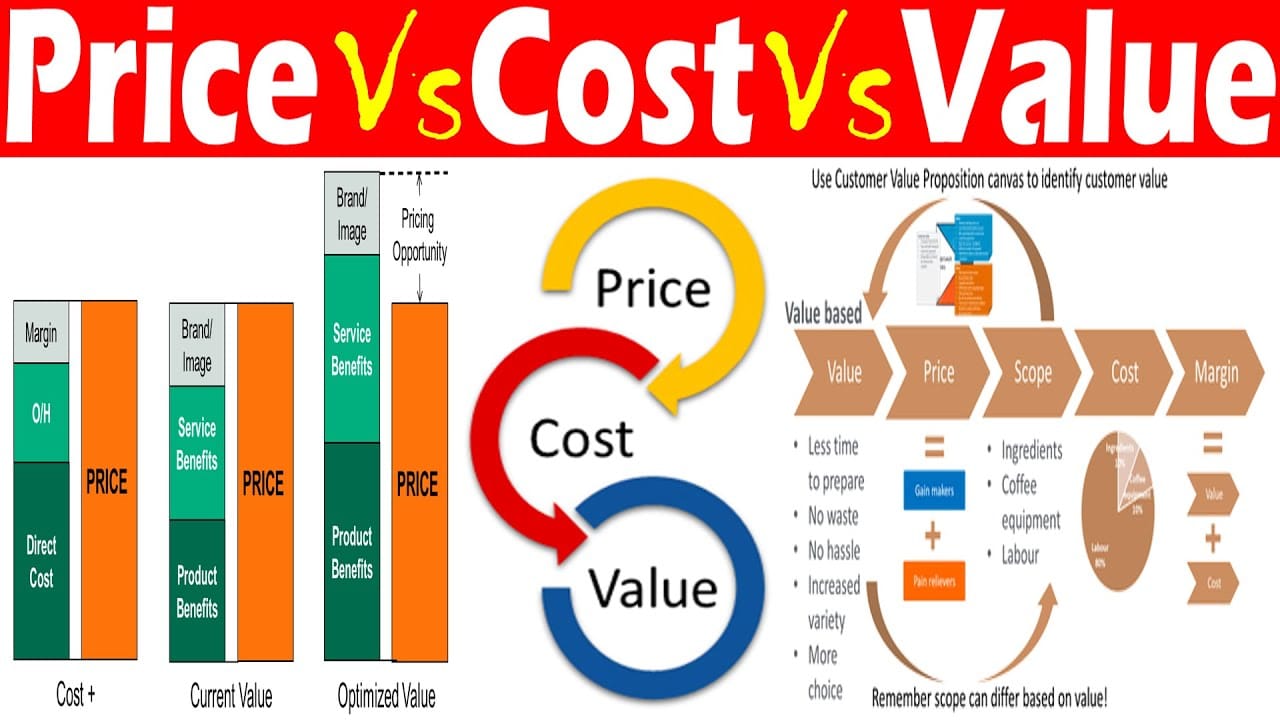
Market Price vs Market Value: A Critical Distinction for Las Terrenas Real Estate
If there's one piece of advice we've given hundreds of times to new investors in Las Terrenas, it's this: don't confuse the asking price with the actual value. It's the single most common—and costly—mistake we see people make. Getting this right is the foundation of every smart property investment in the Caribbean.
The difference is actually pretty straightforward. Market price is simply the number that a buyer and seller agree upon for one specific deal. It’s what’s written on the sales contract. Market value, on the other hand, is a calculated, expert opinion of what a property is truly worth in the open market.
Price vs. Value: What You Need to Know in Las Terrenas
In a dynamic market like Las Terrenas, this isn't just a tiny detail; it's everything. The price is just what someone was willing to pay on a given day. Market value is a much bigger picture—it's what a property should sell for based on data, its condition, and what's happening right here on the Samaná Peninsula. You can get a broader perspective on these real estate concepts at Inman.com.
Think about it this way. A seller who needs to leave the country quickly might accept a price that's way below their villa's true market value. But on the flip side, we’ve seen bidding wars for a rare beachfront condo in Playa Bonita push the final price far above what it was technically worth. Emotions, timing, and negotiation all play a huge role in the final price.
Key Takeaway: Price is a historical fact from a single transaction. Value is a forward-looking, data-driven opinion that guides smart investment decisions. Your goal should always be to buy at or below market value.
Key Differences at a Glance
To really succeed here—from the quiet hills of El Limón to the vibrant energy of the Pueblo de los Pescadores—you have to look past the price tag. It's about understanding the real story behind the numbers.
Here’s a simple way to break it down:
| Aspect | Market Price | Market Value |
|---|---|---|
| Nature | A historical number from one past sale. | An educated opinion based on analysis. |
| Origin | Set by a single buyer and seller. | Calculated using market data and similar properties. |
| Objectivity | Can be subjective; influenced by emotion. | Objective; based on facts and proven methods. |
| Usefulness | Shows what one person paid. | Predicts what a property should sell for. |
Here at Atlantique Sud, we’ve been on the ground in Las Terrenas for over 25 years. We've seen countless deals where the price and the value were two very different things. Our job is to cut through the noise and pinpoint a property's true market value, giving you the confidence to make a great decision, whether it's your first vacation home or another addition to your portfolio.
Comparing The Core Concepts Head-to-Head
To really get a grip on the Las Terrenas market, you need to move past the dictionary definitions. Let's put market price and market value side-by-side. They might sound like the same thing, but where they come from and how they’re used in a deal couldn't be more different. Getting this right isn’t just some academic exercise; it’s what will make or break your negotiation and determine what you ultimately pay or walk away with.
Think of market price as a snapshot in time. It’s a historical fact—what one specific buyer agreed to pay, and one seller agreed to accept, for one specific property on a given day. Market value, on the other hand, is a forward-looking, analytical opinion. It’s a calculated estimate of what a property should trade for under normal conditions, based on hard data, not fleeting emotions.
This visual helps clarify the fundamental tension between the subjectivity of price and the objective analysis that underpins value.
As you can see, price is the result of a negotiation. Value is the essential tool you need to have a smart negotiation in the first place.
The Deciding Factors
So, what’s really driving these two numbers? The factors influencing price can be intensely personal and fly on a whim. A buyer who falls head-over-heels for the sunset from a villa in Portillo might pay a premium, pushing the price up. Conversely, a seller who needs to relocate for a job next month might accept a lowball offer, dragging the price down. These are purely subjective pressures.
Market value, however, is built on a foundation of objective, measurable data. It’s a systematic process that cuts through all that emotional noise to land on a logical, defensible figure.
We have a saying we often share with our clients: "Price is a conversation between two people. Value is a conversation with the entire market." This little phrase perfectly captures the difference and is a great anchor to keep in mind when the negotiations get heated.
To make this crystal clear, let's break down the key distinctions between the two.
Market Price vs Market Value Key Distinctions
This table lays out the fundamental differences you need to understand as a buyer or seller.
| Attribute | Market Price | Market Value |
|---|---|---|
| Origin | The final number on a contract from a single, completed sale. It's a historical fact. | A professional opinion of what a property is worth, based on comprehensive market analysis. It's a calculated estimate. |
| Key Influencers | Emotional attachment, buyer/seller urgency, negotiation skills, unique personal tastes, and specific financing terms. | Comparable sales data (comps), property condition, location, supply and demand, economic trends, and local zoning. |
| Objectivity | Highly subjective. It reflects the unique motivations and circumstances of just one buyer and one seller at one moment. | Largely objective. It's an impartial assessment grounded in verifiable data and standardized appraisal methods. |
| Role in a Transaction | It’s the outcome of the deal—the final number that gets paid. | It’s a strategic tool used to set a smart listing price, make an informed offer, and secure financing from a bank. |
Understanding these points is crucial because confusing price with value is one of the most common and costly mistakes we see people make.
An Example From Pueblo de los Pescadores
Let’s make this real. Imagine two identical condos for sale, side-by-side in the bustling heart of Pueblo de los Pescadores.
- Condo A sells for $350,000. The buyer just sold his company and is desperate to get a vacation home right now, no matter the cost. His urgency sets the market price at $350,000.
- Now, we step in. Based on our analysis of recent comparable sales, the property's condition, and current demand, we determine the true market value for these units is around $310,000.
- Shortly after, Condo B lists for a strategic $315,000. It quickly attracts multiple offers and sells for $320,000—a figure much more aligned with its actual value.
In this scenario, the buyer of Condo A overpaid by a staggering $40,000. Why? Because his decision was fueled by personal urgency, not market data. The market price he set was an emotional outlier, not a new benchmark for the area.
This is exactly why our expertise is so critical. Knowing the market value would have saved that buyer a significant amount of money and prevented a poor financial decision. It’s this level of analysis and protection we bring to every single client.
How We Determine a Property's Real Market Value
So, how do we actually figure out what a property here is really worth? Moving from a listing price—which can be full of emotion and hope—to a solid, defensible market value is a science. It's not about guesswork or a quick glance at what’s for sale online. It’s a craft we’ve honed over our 25+ years here in Las Terrenas, blending hard data with the kind of local knowledge you only get from being on the ground, day in and day out.
This isn’t about pulling a number out of thin air. We build a complete picture using three core valuation methods. Think of it like looking at a property from three different angles to get the full story, whether it’s a beachfront lot in Cosón or a rental condo in the heart of town.
The Sales Comparison Approach
This is our bread and butter for most homes and condos. The idea is simple: a property’s value is directly tied to what similar properties have recently sold for. It's the most direct reflection of the market.
But here’s where expertise comes in. "Similar" is a tricky word. We don't just pull the three closest sales and call it a day. Our analysis goes much deeper.
- Location: We get hyper-local. We’re not comparing properties in "Las Terrenas." We're comparing a villa in the hills of Portillo to other villas in the hills of Portillo, looking at its specific view, the quality of road access, and its exact distance to the beach.
- Property Type: Apples to apples, always. A condo gets compared to other condos, where we dig into the details: which floor is it on? What are the amenities like? How much are the HOA fees?
- Timing: The market here moves fast. A sale from a year ago is ancient history. We focus on sales from the last 3 to 6 months to get a true pulse on current values.
- Condition & Features: This is where we make adjustments. Did the owner just put in a brand-new kitchen? Does it have a private pool when the others don't? We assign a value to these differences to make the comparison truly fair.
This method gives us a powerful baseline for what buyers are willing to pay right now for a certain type of property in a specific spot.
The Cost Approach
This one is absolutely critical for new construction, buying land, or for those unique, one-of-a-kind properties with nothing to compare them to. The logic is straightforward: a property is worth the cost of the land, plus the cost to build a similar home, minus any wear and tear.
Here’s how we break it down in Las Terrenas:
- Land Value: First, we figure out what the land itself is worth. This is based on recent land sales in the area. A beachfront lot at Playa Bonita, for instance, has a completely different per-square-meter value than a jungle parcel up in El Limón.
- Replacement Cost: Next, we calculate the cost to build the structure from scratch today. We use current local construction costs, which can range from $650/sqm for a standard build to $1,125/sqm and up for high-end, luxury finishes.
- Depreciation: For existing homes, we have to subtract value for any aging. This could be physical (like a roof nearing the end of its life), functional (a dated, awkward layout), or external (a new, noisy road nearby).
If you’re thinking about building your dream home from the ground up, this method is your reality check. It keeps the whole project grounded in real-world financials.
The Income Approach
For anyone buying as an investor, this is the holy grail. The Income Approach values a property based on one thing: how much money it can make you. If you’re buying a villa or condo to rent out, this is non-negotiable.
We use a few key numbers to get to the final value:
- Gross Rental Income: We project the potential rental income using real, on-the-ground data, not just hopeful guesses from a rental website. With average Airbnb occupancy hitting 75%+ in high season, we can build a very realistic income forecast.
- Operating Expenses: From that income, we subtract all the costs of running the property—management fees, maintenance, insurance, and taxes—to find the Net Operating Income (NOI).
- Capitalization Rate ("Cap Rate"): This is the magic number for investors. The cap rate is the rate of return you can expect. We find the property's value by dividing its NOI by the market cap rate for similar rental properties. Here in Las Terrenas, we typically see rental yields between 5.6% and 7.7%, which is the foundation of our cap rate analysis.
By blending these three methods, we get a complete, 360-degree view of a property's real value. It’s what allows us to confidently tell a buyer when a price is too high or help a seller position their home to sell quickly and profitably. You can dive deeper into these numbers in our article on how to calculate real estate ROI.
A key part of getting this right involves doing our homework with thorough due diligence reports to make sure no stone is left unturned. Our entire process is designed to take you from speculation to certainty, giving you the hard data you need to make a great investment.
Why Market Price Often Deviates From Market Value
While market value gives us a solid, data-backed anchor, the final market price is where human nature takes over. A property’s final sale price often has little to do with a perfectly balanced equation and everything to do with real-world pressures, emotions, and timing. This gap between the analytical value and the transactional price is where both risks and opportunities are born.
In our 25+ years here, we've seen countless deals where the signed contract price was significantly different from our calculated valuation. Understanding what causes this gap is absolutely critical for any buyer or seller in Las Terrenas. It’s the difference between snagging a great deal and accidentally setting a new price record you didn't intend to.
The Human Element in Transactions
Real estate is never just about the numbers; it’s deeply personal. The motivations of both the buyer and seller can create huge swings in the final market price, pulling it far away from its objective market value.
These aren't fringe cases; they are common scenarios that shape deals every single day in our market:
- Emotional Buyers: A buyer falls in love with a specific sunset view from a villa in Las Ballenas. They aren't just buying a property; they're buying a dream. This emotional connection can easily lead them to pay a premium that other, more objective buyers would never consider.
- Seller Urgency: A seller needs to relocate for a family emergency or a new job and must sell now. This need for liquidity trumps their desire to wait for the "perfect" offer, often resulting in a sale price well below what the property is truly worth.
- Unique Property Features: Some properties just defy easy comparison. Think of a historic colonial home in the center of town or a uniquely designed eco-lodge in El Limón with no direct "comps." The perceived value of these one-of-a-kind features can push the price into purely subjective territory.
Key Insight: Price is often a reflection of a person’s unique circumstances, not just the property's intrinsic qualities. An urgent need for cash or an irresistible ocean view can have a more powerful impact on price than any valuation method.
Market Dynamics and Scarcity
Beyond individual motivations, the broader market conditions in Las Terrenas play a huge role in the price-value gap. In a market with high demand and limited supply—something we see often here—the rules of objective valuation can bend under pressure.
Bidding Wars and Tight Inventory
When multiple buyers are competing for the same desirable property, a bidding war can erupt. This is a common occurrence for well-priced beachfront condos in Playa Bonita or Portillo. At that point, the competition is no longer just against the seller's asking price; it's against other determined buyers.
The final price is then driven by a "fear of missing out" and a raw desire to win. The winner might pay 10-15% or more above the initial asking price, and often, above the calculated market value. Their goal shifts from acquiring a fairly-priced asset to simply securing that rare property before someone else does. Our team keeps a close watch on these dynamics, and you can get a feel for the current climate by exploring our analysis of Las Terrenas real estate market trends.
Deal Structure and Creative Terms
The terms of the deal itself can also create a significant difference between price and value. A straight-up cash offer is not the same as an offer with complex financing, and this is always reflected in the final number on the contract.
For instance, seller financing is a powerful tool in the Dominican Republic. A seller might agree to a higher purchase price in exchange for offering the buyer a loan. The buyer gets access to financing they might not otherwise find, and the seller not only secures a higher price but also earns interest. In this case, a market price of $550,000 with seller financing isn't directly comparable to a cash sale of $500,000 for the very same property. The higher price is buying those favorable terms.
Here’s a breakdown of the factors that can warp the final price:
| Factor | How It Pushes Price Away From Value | Las Terrenas Example |
|---|---|---|
| Bidding War | Emotion and competition drive the price above market value. | Multiple offers on a new, turnkey condo in Playa Bonita. |
| Distressed Seller | Personal urgency forces the seller to accept a price below market value. | An expat needing to return home quickly sells their Cosón villa at a discount. |
| Seller Financing | Favorable terms for the buyer can justify a price above market value. | A developer offers financing on new lots, achieving a higher per-meter price. |
| "Love at First Sight" | A buyer's deep emotional connection pushes them to pay a premium above value. | A family pays extra for a home next to their favorite restaurant in Pueblo de los Pescadores. |
Ultimately, market value is the guidepost, but the market price is the destination. Your goal as an investor or buyer is to know the value so you can skillfully navigate the factors that influence the final price.
Applying This Knowledge as a Buyer or Seller
So, what does all this talk about market price versus market value actually mean for your wallet? It's not just academic—it's the key to making a smart move in the Las Terrenas real estate market. Whether you're buying that dream villa or selling a condo, understanding this difference is what separates a good deal from a bad one.
For both buyers and sellers, the game is about using the objective facts of market value to shape the final, negotiated market price. Let’s break down how this plays out on both sides of the deal.
A Buyer's Playbook for Securing Value
As a buyer, your biggest financial risk is paying too much. A solid understanding of market value isn't just a defense mechanism; it’s your most powerful negotiating tool.
- Avoid Emotional Overpayment: It's easy to fall in love with a sunset view from a balcony in Las Ballenas. But that feeling shouldn't cost you an extra $50,000. Knowing the property's true market value grounds you in reality, helping you make an offer based on hard data, not just heartstrings.
- Strengthen Your Offer: An offer below the asking price can easily be brushed aside. But when you back it up with a comparative market analysis (CMA) showing recent, relevant sales that justify your figure, you’re not just lowballing. You're starting a serious, data-driven negotiation.
- Secure Your Financing: This one is a deal-breaker. Banks in the Dominican Republic, just like anywhere else, will not lend you more money than a property is actually worth. They’ll conduct their own appraisal to confirm the market value. If the price you agreed on is higher, you'll have to cover that difference in cash. Knowing the value upfront prevents the entire deal from falling apart at the eleventh hour.
A Seller's Strategy for Optimal Pricing
If you're selling, the gap between market price and market value is where you find your path to a quick, profitable sale. The most common mistake we see is sellers overpricing their property based on emotional attachment or a vague idea of what it "should" be worth.
The market is brutally honest. An overpriced property doesn’t just sit there; it goes stale. Buyers and their agents see a home that’s been listed for months and immediately assume something is wrong, which only invites lowball offers—or no offers at all.
Your pricing strategy needs to be deliberate and anchored to the property's real-time market value. When you align your list price with its true value, you accomplish two crucial things:
- You Attract Serious, Qualified Buyers: A correctly priced home immediately appears in the right search filters for buyers who are ready to make a move. You get instant traction from the most relevant audience.
- You Create a Sense of Urgency: When a great property hits the market at a fair price, it can spark the one thing every seller dreams of: competition. A bidding war can push the final market price well above the market value, giving you the best possible return on your investment.
As a seller, even small, strategic moves can make a big difference. Things like a fresh coat of paint can significantly enhance its market value. These thoughtful improvements are all part of a smart sales plan. If you're thinking about selling, our guide on how to prepare a house for sale has plenty more practical tips.
At the end of the day, your price is your most powerful marketing tool. Get it right, and the market will do the rest.
Navigating Your Investment with an Expert on Your Side
That gap between the asking price and what a property is really worth? That’s where smart investors make their money. It’s also, unfortunately, where uninformed buyers can take a serious financial hit. Getting it right takes more than just scrolling through listings; it demands local, expert eyes on the ground.
Working with an established agency is your single greatest asset for turning market noise into a real advantage. With over 25 years of firsthand experience right here in Las Terrenas, we don’t just look at data. We combine it with an intimate knowledge of every neighborhood, from the sands of Playa Bonita to the hills of El Limón.
From Data to a Smart Decision
An online listing shows you a price. A real valuation gives you a strategy. Our job is to bridge that gap, making sure your choices are based on a solid understanding of a property’s true worth, not just what a seller hopes to get.
We’ve always believed that a well-informed investor is a successful one. Our entire focus is on giving you the clarity and confidence you need to act, whether that means making a sharp offer or walking away from a deal that just doesn't add up.
This kind of guidance changes the whole game. Instead of just reacting to what the market is doing, you start to see what’s coming. You learn to spot the opportunities others miss and sidestep the common pitfall of overpaying in the heat of the moment. It’s all about making a sound investment decision that fits your goals.
Your Competitive Edge in Las Terrenas
Our value goes way beyond just crunching numbers for a valuation. We give you access to our entire network of trusted local professionals we’ve vetted over many years. Think of reliable attorneys who navigate Law 108-05 for clean title transfers and seasoned architects who know what it takes to build hurricane-resistant homes. Every step is handled by experts who share our commitment to doing things the right way.
This complete approach ensures every part of your investment is solid. We don’t just find you a property; we protect your investment from the first showing to the final signature. Our deep roots in this community and decades of successful deals give you a powerful advantage in a market where local knowledge truly is everything.
If you’re ready to look past simple price tags and make a sophisticated investment in Las Terrenas, our team is here to help. We provide the professional guidance and deep market insight you need to make it happen.
Frequently Asked Questions
When it comes to price versus value, we hear a lot of the same questions from clients. It's a topic that can feel confusing, so let's cut through the noise and tackle some of the most common ones we hear every day here in Las Terrenas.
Can a Property's Market Value Change Over Time?
Absolutely. Think of market value as a snapshot, not a permanent photograph. It's constantly shifting. A new highway, a surge in tourism from a new flight route, or even changes in local supply can all move the needle.
That’s exactly why a valuation from even a year ago might not hold water today. We're always on the ground, watching these trends, to make sure our clients get the most current and accurate picture of a property's true worth.
Is the Tax Assessed Value the Same as Market Value?
Not even close. This is one of the most critical distinctions to understand in the Dominican Republic. The government’s tax-assessed value is purely for calculating property taxes, and it's almost always way lower than what a property is actually worth.
Relying on that tax number to make an offer or set a listing price would be a huge misstep. The only reliable measure is a professional market valuation from a real estate team that truly knows the area.
Important Reminder: Never, ever use the government's tax valuation to decide on a price. It's a number for tax purposes only and has almost no connection to what a property will actually sell for on the open market.
How Does CONFOTUR Law Affect a Property's Value?
The CONFOTUR tax incentive law is a game-changer for a property's market value. A villa or condo that qualifies for the 15-year tax exemption is instantly more attractive, especially for an investor. Why? Because it directly boosts your net rental income and slashes your holding costs for years to come.
This added financial benefit means sellers can often command a higher price. Buyers, in turn, are willing to pay a premium because they know they're getting a fantastic long-term financial advantage. It’s a classic win-win that drives real value.
Ready to move past guesswork and understand the true value of your next investment? The team at Atlantique Sud Real Estate has over 25 years of on-the-ground experience turning market data into client success.
Contact Atlantique Sud for a personalized market consultation