The Dominican Republic Climate: A Guide for Travelers & Investors
Thinking about the Dominican Republic? Your first thought is probably the weather. It’s the definition of tropical perfection: warm, sun-filled days are the norm, and the idea of a cold winter is pure fantasy. We live in what’s officially a tropical maritime climate, but you can just think of it as a year-round summer.
However, it's a summer with two distinct personalities: a dry season and a wet season. Understanding this rhythm is the first step to planning a visit, living here full-time, or making a smart property investment.
Dominican Republic Climate Basics
This incredible climate is the number one reason so many expats and investors are drawn to our shores. It’s the ideal backdrop for the beachfront lifestyle many dream of, especially here in Las Terrenas on the Samaná Peninsula.
The weather patterns are predictable, which is a major advantage. It makes planning travel, scheduling construction, and even timing your rental listings to maximize income much simpler. Here’s a quick breakdown of what to expect:
The Dry Season (Winter): Running from approximately November to April, this is prime time for tourism. Days are packed with sunshine, humidity drops to its most comfortable level, and rain is a rare event. This is when rental properties in popular areas like Playa Bonita and Las Ballenas see their highest occupancy and best returns.
The Wet Season (Summer): From May to October, things get a little hotter and wetter. But don't imagine constant, dreary rain. Think short, powerful afternoon showers that cool everything down before the sun returns. This is the season that makes the island incredibly green and vibrant, a time many full-time residents love for the quieter towns and lush scenery, especially in areas like El Limón.
The Climate by the Numbers
Let's put some data to it. The national average annual temperature is a comfortable 24.6°C (76.3°F). Monthly averages don't fluctuate wildly, moving from a mild 22.5°C (72.5°F) in January to a warmer 26.2°C (79.2°F) in August.
Rainfall follows its own rhythm. The driest months are typically February and March before the rainy season arrives, usually peaking in May. For those who love to dig into the details, you can explore historical records from the Climatic Research Unit.
To make it even simpler, here's a quick summary table.
Dominican Republic Climate at a Glance
| Climate Feature | Typical Conditions |
|---|---|
| Average Annual Temperature | 24.6°C (76.3°F) |
| Coolest Month | January (22.5°C / 72.5°F) |
| Warmest Month | August (26.2°C / 79.2°F) |
| Dry Season | November – April |
| Wet Season | May – October |
This table gives you a great at-a-glance look at the stable, predictable weather that makes life here so enjoyable.
This infographic breaks down the yearly climate data for the entire country.

As you can see, the climate is remarkably consistent. That stability is a massive advantage for homeowners and investors alike. But it's important to remember that not all parts of the Dominican Republic are the same. The lush, mountainous Samaná Peninsula—home to Las Terrenas—has its own unique microclimate that sets it apart from the drier south. We'll dive into what that means for living and investing here a bit later.
Navigating the Wet and Dry Seasons in Las Terrenas
Life in Las Terrenas moves to a beautiful rhythm, one dictated by two distinct seasons that shape everything from the surf breaks to the social scene. Getting a feel for this annual cycle is the first step to truly appreciating the local lifestyle and making smart choices, whether you're just planning a visit or a long-term investment.
The first season is what most people are dreaming of when they picture the Caribbean. The dry season, which generally runs from November to April, delivers picture-perfect weather. You can expect month after month of endless sun, lower humidity, and a steady, welcome breeze. It’s the perfect time for those long days at the beach, whether you’re kicking back in front of a villa in Portillo or soaking up the lively atmosphere of Pueblo de los Pescadores.
Of course, this idyllic weather lines up perfectly with our peak tourist season. This is when rental properties, especially in hotspots like Playa Bonita and Cosón, hit their highest occupancy rates and generate their best returns.
The Truth About the Wet Season
Then we have the wet season, which typically lasts from May to October. Now, if you're imagining months of non-stop gray skies and constant downpours, you’re in for a pleasant surprise. Life doesn't grind to a halt here; it just shifts into a different, much lusher, rhythm. "Rain" usually means a short, intense, and often predictable shower in the afternoon. These bursts pass quickly, washing the air clean and turning the landscape an almost impossibly vibrant shade of green.
We’re always honest with clients: the wet season brings its challenges, mainly higher humidity. But it has its own magic, too. The crowds thin out, the town settles into a calmer, more residential vibe, and you get to witness the raw, stunning beauty of places like El Limón at their most dramatic.
Many of us who live here full-time grow to love the quiet intimacy of these months. It’s a time when the community feels a little closer and the pace of life slows down even more.
Understanding this dual-season rhythm is fundamental. It lets you time your visits for the exact experience you’re after, plan construction projects during the driest months, and build a rental strategy that cashes in on the high-demand dry season while finding opportunities in the quieter, greener wet season.
A Realistic Look at Hurricane Season
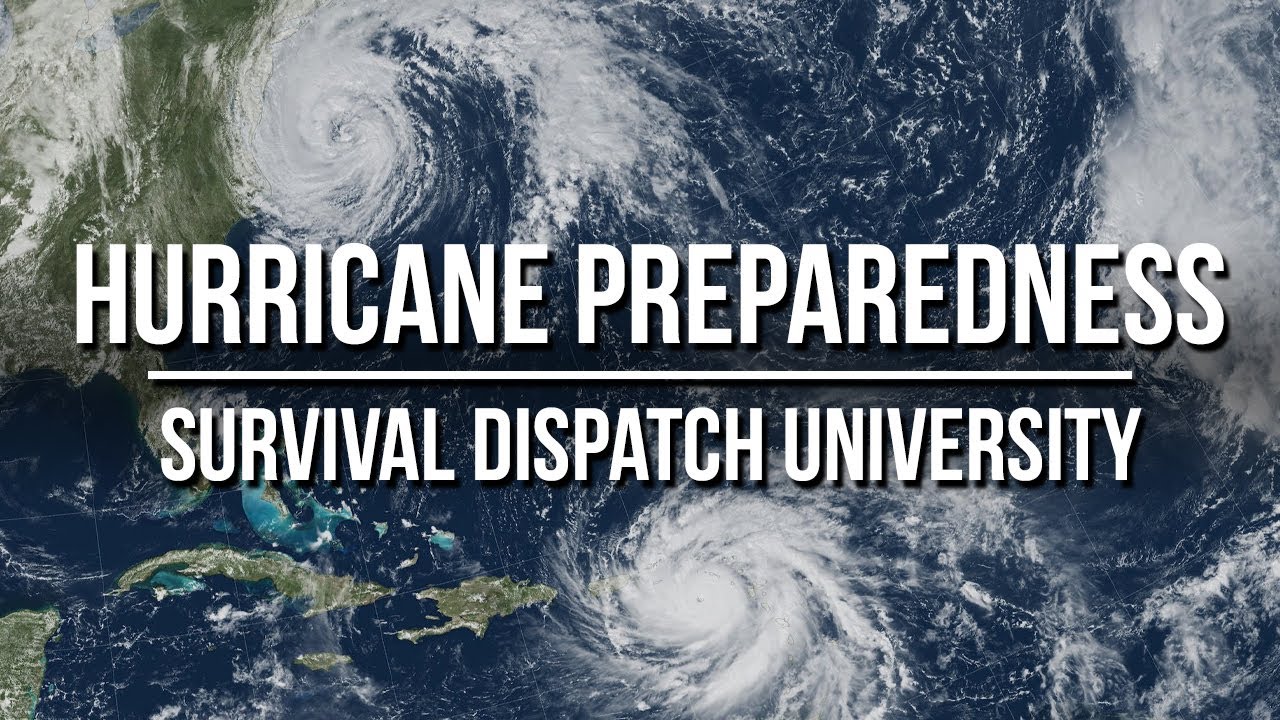
Let's talk about the elephant in the room: hurricanes. If you're considering buying property anywhere in the Caribbean, it’s a topic you can't afford to ignore. As local experts with over 25 years on the ground here in Las Terrenas, we believe in tackling this head-on—not with fear, but with facts, smart building, and a clear-eyed look at the actual risk.
The official Atlantic hurricane season runs from June 1st to November 30th. However, in our corner of the world, the real window of heightened activity is much shorter, usually focused on August and September. It’s important to understand that a major hurricane making a direct hit on any single location, including the Dominican Republic, is far from a yearly guarantee.

Geographic Advantages and Statistical Reality
The Dominican Republic has a few built-in advantages when it comes to weather. The country’s massive central mountain range, the Cordillera Central, often acts like a natural shield, disrupting and weakening storms that track in from the south. Here on the Samaná Peninsula, our own mountainous terrain provides a similar buffer, helping to break up systems as they pass.
While we are in the hurricane belt, the statistics show that direct hits from major storms (Category 3 or higher) have been rare over the last several decades. Many seasons go by with no real trouble at all. The takeaway isn’t that there’s no risk, but that the risk is manageable and not the constant, overwhelming threat some might imagine. You can get more context on this in our full guide to the hurricane season in the Dominican Republic and the Caribbean.
Preparedness and Modern Construction
Geography gives us a helping hand, but our best defense is modern, hurricane-resistant construction. This isn't just a nice-to-have feature; it’s an absolute must for any smart real estate investment in this region, and it's a standard we insist on.
Today’s building codes are all about creating a fortress that can stand up to high winds and torrential rain. This involves several key elements:
- Reinforced Concrete Structures: Using rebar-enforced concrete for both walls and roofs creates a solid, heavy shell that wind simply can’t push around.
- Secure Roof-to-Wall Connections: Hurricane straps and clips are used to literally bolt the roof to the building’s frame, preventing it from being lifted off by powerful updrafts.
- Impact-Resistant Windows and Doors: This is crucial. Specially engineered glass and reinforced frames can withstand impacts from flying debris, which is one of the main causes of severe damage during a storm.
- Proper Site Drainage: Smart water management is vital to prevent flooding and protect a property's foundation from erosion.
As we always tell our clients, your best insurance policy is the quality of your construction. A well-built home designed for the Dominican climate is your first and most important line of defense against any potential storm.
Of course, being prepared also means understanding the practicalities. For any property owner, knowing how to handle an insurance claim is part of a solid risk management plan. Being familiar with the process for a hurricane claim settlement is just as important as having the right coverage in the first place.
Investing in the Caribbean means you accept and prepare for the possibility of hurricanes. By choosing a location with natural defenses like the Samaná Peninsula and, most critically, investing in a property built to modern, hurricane-resistant standards, you dramatically reduce the risks. This proactive approach lets you focus on what really matters—enjoying the incredible lifestyle this beautiful country has to offer.
How Climate Shapes Building and Owning Property in the DR
Knowing the weather patterns in the Dominican Republic is one thing. Understanding how to leverage that knowledge for a smart real estate investment is a different game entirely.
Here in the tropics, the climate isn’t just a pretty background. It's an active partner in your property's life, influencing everything from the initial design to your annual maintenance checklist. A home that fights against the environment is a home that will fail, leaving you with a constant drain on your wallet and your peace of mind.
Conversely, a property built to embrace its surroundings becomes a durable, comfortable, and valuable asset. This is where features that might feel like optional luxuries elsewhere become non-negotiable necessities for protecting your investment’s long-term value.
Designing for a Tropical Climate
When you see construction costs in Las Terrenas, a big chunk of that budget is a direct investment in climate-smart design and materials. Think of it as building a robust defense against the two biggest local challenges: humidity and intense, year-round sun.
A well-designed property works with the climate, not against it. This means prioritizing airflow to naturally cool interiors and reduce reliance on air conditioning. It also means choosing materials that won’t warp, rot, or degrade under constant exposure to sun, salt, and moisture.
The best-built homes here all share a few key design secrets for longevity:
- Cross-Ventilation: Smart layouts with large windows, louvered shutters, and open-concept spaces are designed to invite the breeze and let it flow freely through the home.
- Shaded Outdoor Spaces: Deep roof overhangs, covered terraces, and pergolas are essential. They create cool, livable outdoor areas while shielding the building itself from the punishing direct sun.
- High-Quality Waterproofing: This is mission-critical for foundations, roofs, and walls. Proper sealing prevents water intrusion during heavy rains, which is the root cause of countless structural and mold issues.
The Critical Role of Materials and Finishes
The materials you choose are your first line of defense against the elements. A beachfront condo in Las Ballenas or a hillside villa overlooking Playa Cosón is in a constant battle with salt-laced air and relentless humidity. The wrong finishes can mean dealing with rust, mold, and rapid decay in just a few short years.
Here’s a practical checklist we walk our clients through. It outlines the key considerations for building and maintaining property to withstand our tropical conditions, from material selection to seasonal upkeep.
Climate-Smart Building and Maintenance Checklist
| Category | Key Consideration | Why It Matters |
|---|---|---|
| Roofing | Use ceramic or clay tiles, or properly treated metal roofing with secure fastening. | These materials reflect heat and resist corrosion from salt air. Secure fastening is critical to withstand high winds. |
| Windows & Doors | Opt for high-quality aluminum or PVC frames. Consider impact-resistant glass. | Wood often swells, warps, and rots in the humidity. These modern materials provide a better seal, improved durability, and lower maintenance. |
| Exterior Finishes | Apply high-quality elastomeric paint and premium sealants. | This creates a flexible, waterproof barrier that still allows the walls to "breathe," preventing moisture from getting trapped inside. |
| Interior Airflow | Install high-efficiency ceiling fans in every room and on covered terraces. | Fans are a low-cost, high-impact way to improve comfort. They keep air moving, which makes it feel cooler and dramatically reduces AC usage. |
| Mold Prevention | Use mold-resistant paint and ensure excellent ventilation, especially in bathrooms and kitchens. | These high-humidity zones are prime breeding grounds for mold. Being proactive here prevents expensive remediation projects later. |
When you're looking at property in a hurricane-prone area like the Dominican Republic, understanding what makes construction truly robust is crucial. For instance, getting familiar with different hurricane-proof roofing systems can give you valuable insight into how to best protect your investment from storms.
Aligning Maintenance with Seasonality
Owning a home here also means your maintenance calendar should follow the seasons. The dry season is your window of opportunity for big projects like exterior painting, treating woodwork, and tackling any significant repairs.
Come the wet season, your focus shifts to vigilance. This is the time to regularly check for any new leaks, make sure your gutters and drains are completely clear to handle downpours, and manage interior humidity with dehumidifiers or by keeping the air circulating. To get the full picture, check out our guide on hurricane-resistant construction in the Dominican Republic.
This proactive attention to detail is precisely how you protect your property and preserve its value. By understanding and respecting the power of the Dominican climate, you ensure your home isn't just a beautiful place to be, but a sound and secure investment for many years to come.
Why Las Terrenas Has a Unique Microclimate
Not all of the Dominican Republic is created equal, especially when it comes to weather. This is where having real, on-the-ground knowledge becomes so important for anyone looking to buy here. The island is a patchwork of different microclimates, and Las Terrenas and the Samaná Peninsula have a special balance that truly sets them apart.
The island’s diverse landscape creates surprisingly different climate zones. You can find everything from cool mountain towns to dry, almost desert-like plains. The weather you get can change dramatically just by driving a couple of hours in any direction.

Samaná’s Lush Environment vs. Other Regions
The first thing you’ll notice about the Samaná Peninsula is how incredibly green it is. That vibrant, emerald landscape is a direct result of its microclimate, shaped by coastal mountains and its prime position jutting out into the Atlantic.
These factors bring consistent, life-giving rain that keeps everything lush year-round, even when other parts of the country are in their dry season. It’s a world away from what you’ll find elsewhere.
Just to give you some perspective, here’s how Las Terrenas stacks up against other popular areas:
- Punta Cana: Found on the eastern tip, Punta Cana is flatter and usually feels hotter. Its climate is built for mega-resorts, creating a much drier environment than the wild, green hills that hug Las Terrenas.
- The Southwest (Pedernales): The region near the Haitian border is arid, almost desert-like. It’s a place of stunning, raw beauty, but its climate is far harsher, receiving a fraction of the rainfall we get on the north coast.
- The South Coast (Santo Domingo & La Romana): This is the country's economic heart. It tends to be hotter and more humid, with a climate dominated by the calmer Caribbean Sea rather than the refreshing Atlantic trade winds.
The Mountain Influence
Then you have the completely different world of the mountainous interior. Towns like Jarabacoa and Constanza are often called the "Dominican Alps," and for good reason. Temperatures there, especially at night, can get quite cool, creating a crisp, spring-like climate that's a refreshing escape but not quite the tropical dream most international buyers are after.
Las Terrenas really does offer the perfect middle ground. You get all the benefits of a lush, mountainous backdrop—that feeling of seclusion and those jaw-dropping views—without giving up the warm, beach-focused lifestyle that defines the Caribbean.
This unique combination is exactly why neighborhoods like Portillo, Cosón, and El Limón feel so magical. You can be tucked away in dense, tropical jungle one minute and digging your toes into warm, golden sand the next.
It’s this sweet spot that makes the Dominican Republic climate in Las Terrenas so appealing. You live in a vibrant, authentic natural setting that feels untamed, yet you avoid the extreme dryness of the southwest or the intense urban heat of other coastal hubs. This specific blend of lush nature and perfect beach weather is the foundation of the incredible quality of life here—and it's what keeps driving demand from smart investors.
Living the Year-Round Dream in Las Terrenas
So, what does all this climate talk actually mean for day-to-day life here? It means the Dominican Republic's climate isn't just a weather forecast; it’s the blueprint for an incredible lifestyle, one that shifts beautifully with the seasons. A year in Las Terrenas is a journey through different flavors of tropical living, each with its own rhythm and appeal.
From November through April, life is pretty much idyllic. These are the postcard-perfect months, with warm sun and low humidity. It's when the social scene is buzzing, from the beachfront restaurants at Pueblo de los Pescadores to the chill vibes along Playa Bonita. This period also hosts one of the most incredible natural events right here in Samaná Bay.
Whale Watching and the Lush, Quiet Season
Between January and March, the bay transforms into a sanctuary for thousands of humpback whales. Watching their breathtaking acrobatics is a rite of passage that truly defines winter on the peninsula. It’s an unforgettable sight that draws visitors from all over the world, and it’s a cherished part of life for those of us lucky enough to call this place home.
Then, as the calendar flips toward May, many of us full-time residents settle in for what we consider the best time of the year. The summer months, while a bit wetter, bring a quiet, lush beauty to the area. The hillsides surrounding El Limón and Cosón turn a deep, vibrant green, and the town itself takes on a more relaxed, community-focused feel. It's the perfect time to enjoy all this stunning nature without the peak-season crowds.
This natural rhythm—the vibrant energy of winter followed by the tranquil, green summer—creates a wonderfully balanced, year-round appeal. It’s this exceptional quality of life, made possible by our unique climate, that fuels the consistent demand for property from a discerning international community.
Ultimately, understanding the Dominican climate is about more than just weather—it’s about appreciating the incredible lifestyle it creates. Owning a property here isn’t just an investment in bricks and mortar; it’s an investment in this unparalleled way of life. It’s a chance to build your days around sunshine, nature, and the gentle, alluring rhythm of the Caribbean seasons.
Frequently Asked Questions About the DR Climate

To help you get a real feel for life here, let's tackle some of the most common questions we get from clients about the climate in Las Terrenas and what it actually means day-to-day.
How Hot Does It Actually Feel With the Humidity?
On paper, the temperatures look perfect, usually hovering between a lovely 22°C (72°F) and 31°C (88°F). But the real story is the humidity. From November to April, during the dry season, lower humidity makes the air feel incredibly comfortable.
Once the wet season kicks in, though, that humidity can make the "real feel" temperature seem a few degrees hotter. This is exactly why smart property design is so important here. The homes we recommend are built for it, with fantastic cross-ventilation and, of course, air conditioning to keep you comfortable no matter the season.
Is the Rainy Season a Bad Time to Be in Las Terrenas?
Absolutely not. In fact, many of us who live here full-time actually prefer it! The "rainy season" isn't what you might think. It rarely means gloomy, all-day downpours. Instead, you get these short, powerful afternoon showers that pass quickly and leave the entire landscape looking unbelievably green and lush.
It’s a time when the tourist crowds thin out, and you get to experience a more authentic, tranquil side of town. For those seeking peace and a deep connection with nature, it’s the perfect time to visit or live here.
What Is the Best Month for Perfect Weather?
If you're chasing that postcard-perfect combination of endless sun, low humidity, and pleasant warmth, February and March are hard to beat. This is the sweet spot of the dry season. The main holiday crowds have gone home, but the summer humidity hasn't arrived yet.
It's the absolute prime time for any and every outdoor activity you can dream of, from beach-hopping to exploring the mountains.
How Much Does the Sea Temperature Change?
This is one of the best parts about living in the Dominican Republic: the ocean is always ready for a swim. You'll never dip a toe in and think it's too cold.
Here’s what you can expect year-round:
- Winter Months: The water sits at a very comfortable 26-27°C (79-81°F).
- Summer Months: It warms up to a balmy, bath-like 28-29°C (82-84°F).
This consistent warmth makes oceanfront living a genuine pleasure all 12 months of the year, and it’s a huge part of the lifestyle that makes owning property here so special.
Planning a visit to experience the climate for yourself? At Atlantique Sud, we'd love to show you around and help you discover how the local environment shapes the lifestyle and property market. Reach out to schedule a discovery tour.